If your dog is squinting, has a red eye or seems uncomfortable, contact a veterinarian promptly for advice. The veterinary team can assess how urgently your dog needs to be seen. Do not wait to finish a checklist or for an online reply if your dog appears in pain or has difficulty keeping an eye open.
Note what you have already noticed, including when the signs started and whether one or both eyes are affected. Avoid home remedies or medicines that have not been prescribed for this problem.
When Should You Contact a Vet About a Dog’s Red or Squinting Eye?
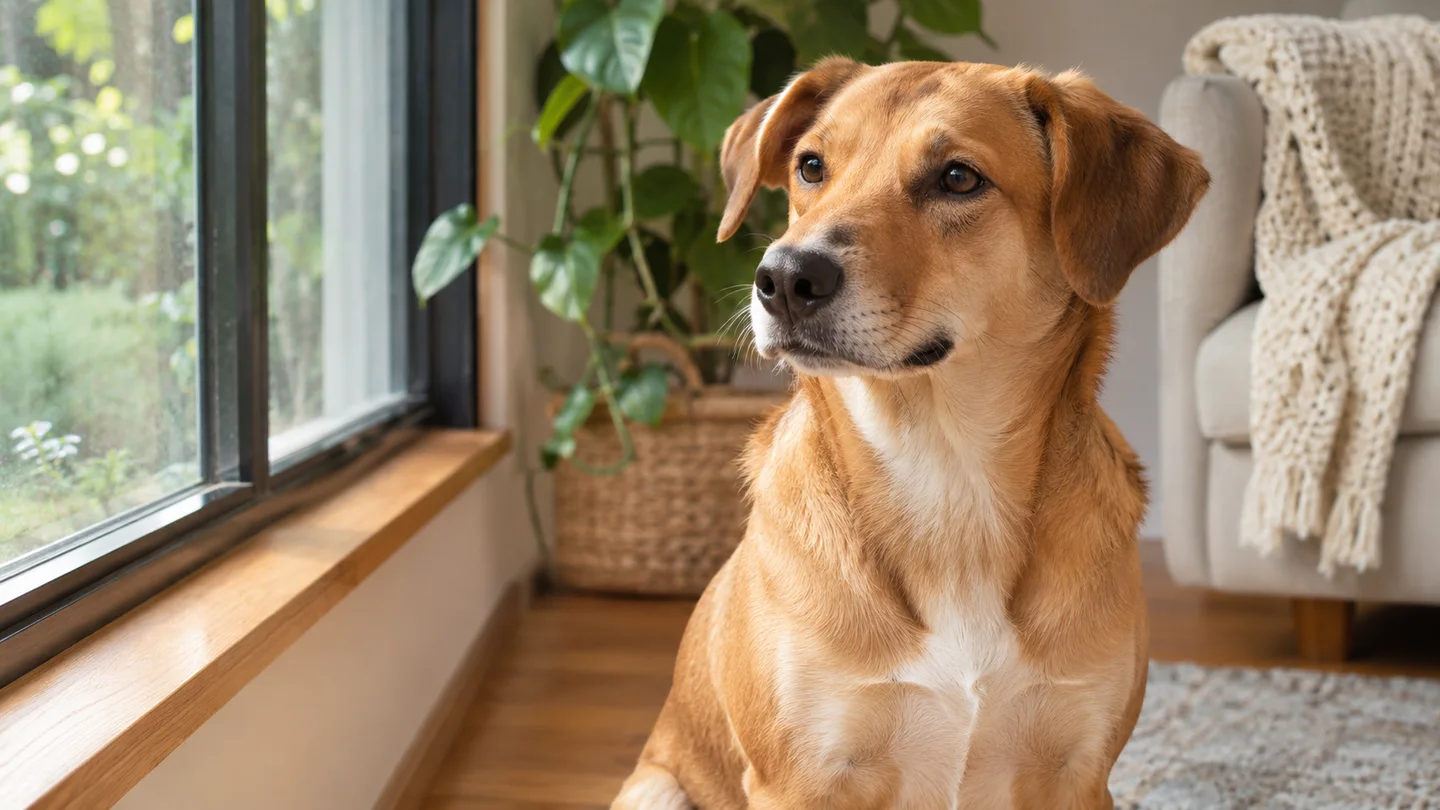
Contact the veterinary team if you notice redness, repeated rubbing, discharge, difficulty keeping an eye open or signs of discomfort. Describe any suspected injury or change in vision immediately so the team can advise you. These signs do not identify the cause on their own: different eye conditions can look similar.
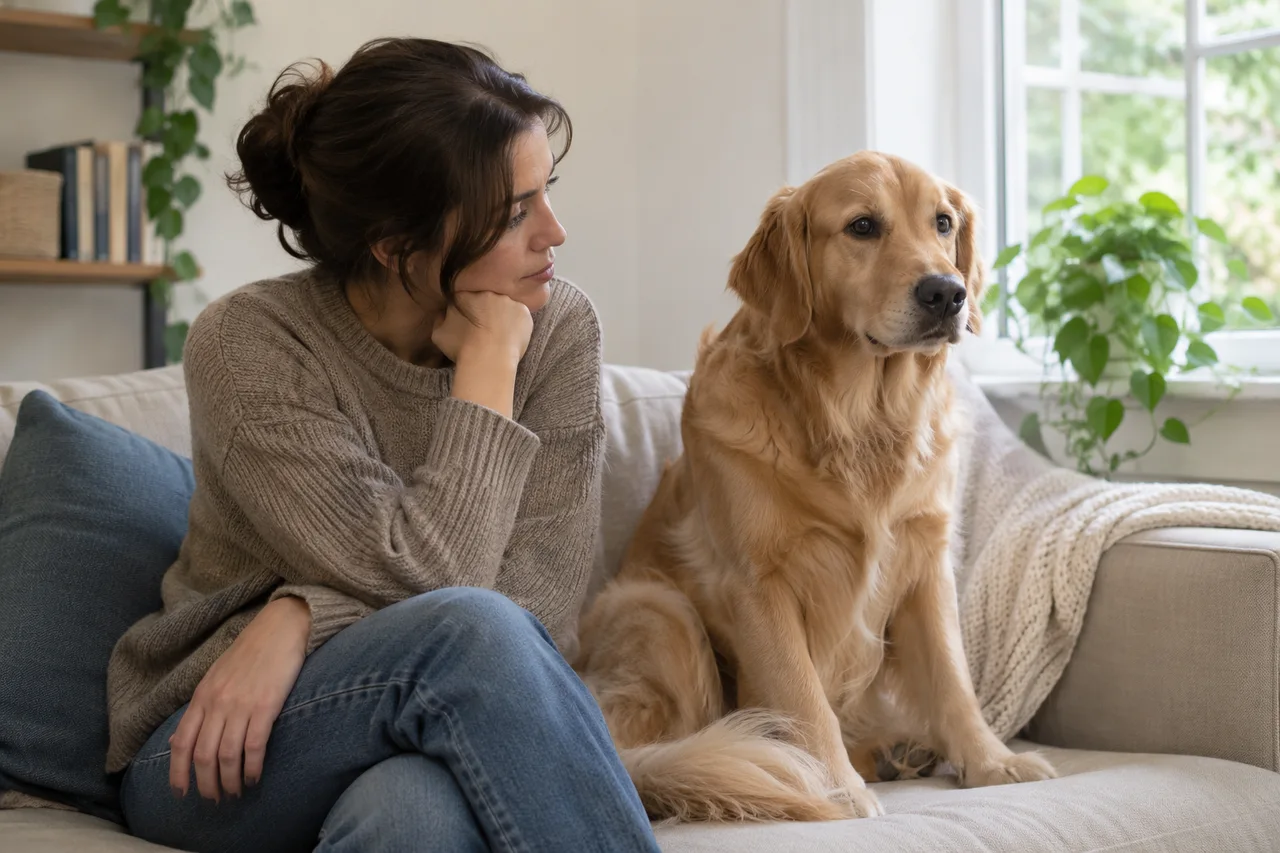
What Should You Tell the Vet About Your Dog’s Eye?
Share the details you know while arranging advice. You do not need every answer before calling:
- When did the redness or squinting begin? Did it appear suddenly or gradually?
- Is one eye affected, or both?
- Is there visible discharge, and what does it look like?
- Is your dog rubbing the eye with a paw or against furniture?
- Could there have been an injury or contact with an irritating substance?
- Have you noticed changes in behaviour, activity or how your dog responds to surroundings?
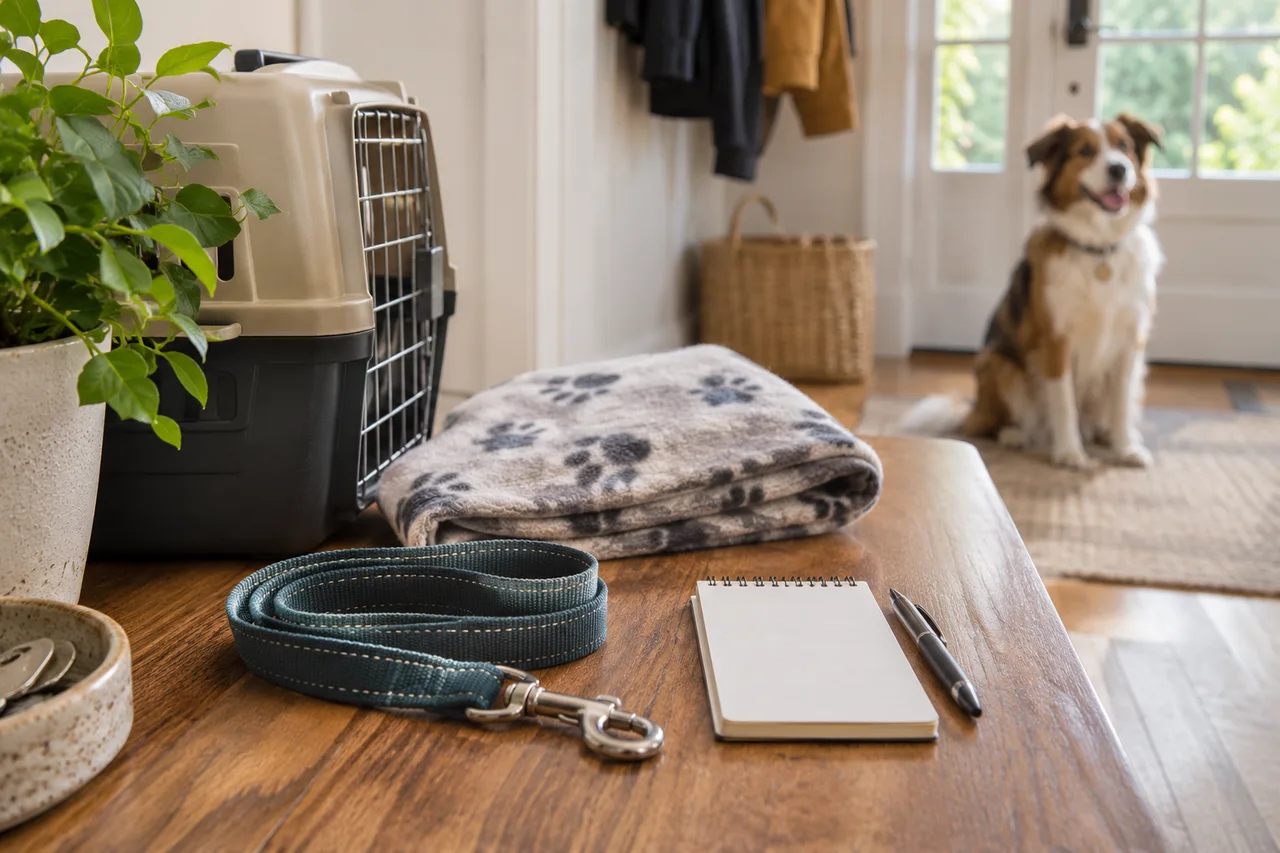
Why Does a Dog With a Red Eye Need a Veterinary Examination?
An examination helps the vet investigate the cause rather than rely on appearance alone. The clinician will decide which checks or tests are appropriate. For example, fluorescein staining can help detect damage to the corneal surface. This does not mean every red eye is a corneal ulcer or that every dog needs the same tests.
Our veterinary checkup guide explains general examinations. A painful or squinting eye should be discussed promptly rather than left until a routine checkup.
What Should You Avoid While Arranging Veterinary Advice?
- Do not use human eye drops unless a veterinarian directs you to.
- Do not reuse leftover drops or medication from a previous problem without veterinary advice.
- Do not apply homemade mixtures or other substances to the eye.
- Follow the veterinary team’s instructions and tell them if the signs change.
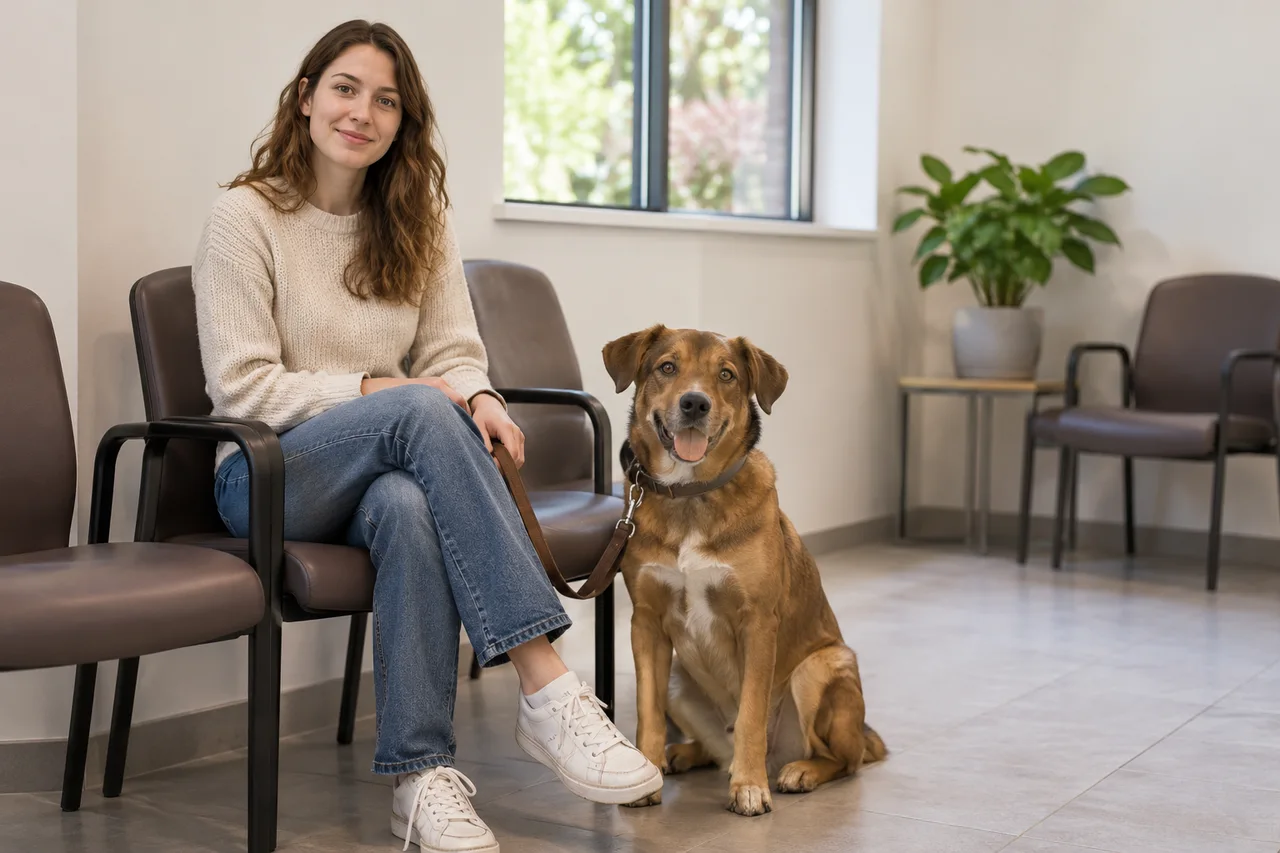
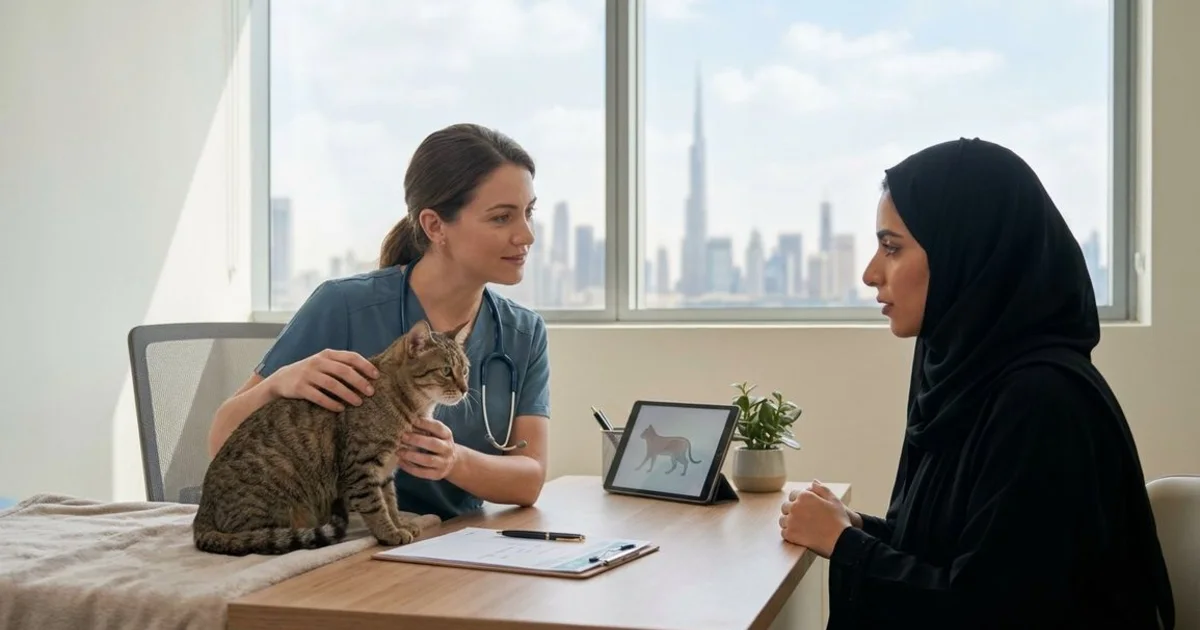
What Should You Ask the Vet During the Examination?
Ask what the likely or confirmed cause is, whether further tests are needed and what instructions to follow at home. Clarify when reassessment is needed and which changes should prompt another call or urgent care. Do not assume that improvement means a prescribed treatment or follow-up can be stopped.
Contact Paw Sisters for Veterinary Advice
Use the Paw Sisters contact page to reach the clinic and confirm the appropriate next step. For an urgent concern, call rather than wait for a form or message response. If you cannot reach the clinic promptly, contact another available veterinary provider for urgent advice.
For other warning signs, see our guide to signs that your pet needs urgent veterinary care. This article provides general information and does not replace an individual veterinary assessment.