Dog Ear Infections in Dubai: Signs, Vet Tests and Why They Keep Returning
Sources and guidance checked
Medically reviewed by Dr Hassan ·
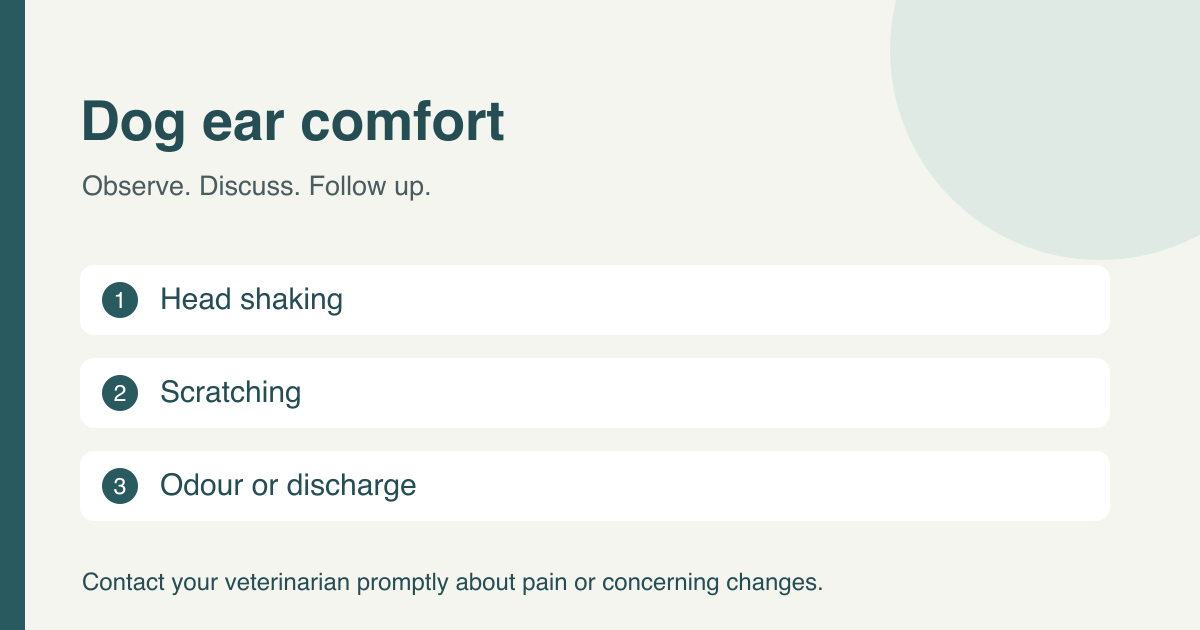
Head shaking, ear scratching, an unpleasant smell or discharge can mean your dog has an ear problem. These signs do not confirm an infection or its cause. Contact your veterinarian promptly rather than waiting for discomfort to persist or worsen.
This guide helps dog owners in Dubai recognise concerns, understand the checks a vet may recommend and prepare for a consultation about recurring ear trouble. It is general information, not a diagnosis or a home-treatment plan.
Signs to notice and when to see a vet
Watch for frequent head shaking, rubbing or scratching, redness, swelling, odour, discharge or discomfort around the ear. One ear or both may be affected. Report changes in activity, sleep or behaviour too. You do not need to see every sign before contacting a vet; do not touch a painful ear to test it.
Seek urgent veterinary assessment for severe pain, a new head tilt, loss of balance or difficulty standing or walking. Tell the clinic about these signs when you call rather than waiting for a routine online booking response. Head tilt and balance changes need assessment and do not establish an ear-infection diagnosis by themselves. [2]
Inflammation is not the same as infection
Otitis externa means inflammation of the outer ear canal. Bacteria or yeast may contribute to an infection, sometimes secondary to another problem. Allergies, foreign material or parasites are among the causes a vet may consider. Ear anatomy and moisture can also make some dogs more prone to problems; neither explains every case. [1, 2]
The useful question is not simply “Which ear drops worked before?” but “What is driving this episode, and has anything changed?” Similar-looking signs can have different causes. Avoid diagnosing the problem from the colour or smell of discharge.
How vets investigate ear discomfort
The visit starts with a history and examination. Explain when the signs began, which ear is affected and what has already been used. The veterinarian may examine the skin as well as the ears, especially when there is itching elsewhere.
Ear examination, sampling and further tests
Otoscopy: An otoscope lets the vet inspect the canal and, when visible, the eardrum. Pain or blockage may mean sedation or further assessment is needed; the vet will discuss the appropriate approach. [1]
Cytology: A sample examined under a microscope can help identify yeast, bacteria or other relevant findings. It is not simply a test of how far an infection has progressed. A culture and susceptibility test may be appropriate in selected cases; it is different from cytology and is not automatically required for every dog. [1, 2]
Ask what each proposed test will help answer and how the result might change the care plan. The exact checks depend on the examination, previous history and response to earlier care.
Why do ear problems keep returning?
Recurring signs deserve a recheck rather than repeated use of a previous prescription. An underlying problem may still need attention, the previous episode may not have fully resolved, or the current episode may be different. Improvement in scratching alone does not prove that the ear is clear. [1]
If ear trouble occurs alongside skin itch or paw licking, mention the pattern. Paw Sisters’ dog-allergy guide explains the wider assessment; allergy should not be assumed from ear signs alone. The clinic also describes ear assessment within its veterinary dermatology service . Ask which consultation is appropriate for your dog.
Bring a clear observation record
Keep brief notes in your phone rather than trying to remember every episode. This checklist organises the appointment; it is not a home diagnostic test.
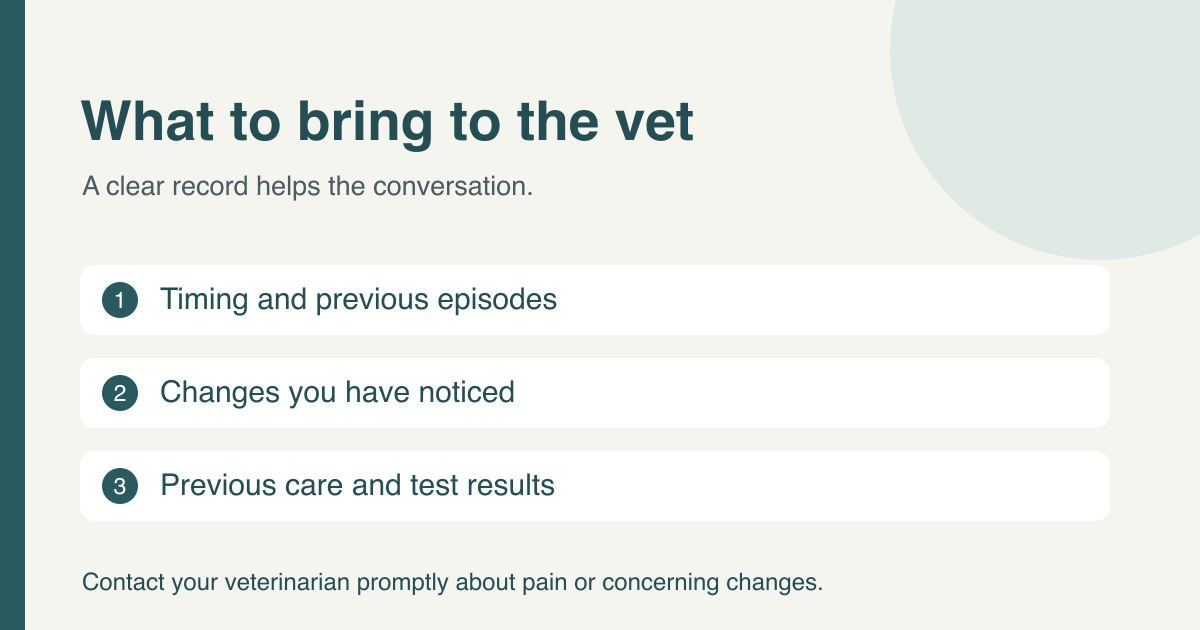
| Record | Useful detail to bring |
|---|---|
| Timing | First noticed; one or both ears; previous episodes and recheck dates. |
| Changes | Head shaking, scratching, odour or discharge; sleep, activity or balance changes. |
| Other concerns | Itch elsewhere; recent bathing, swimming or grooming; anything new you noticed. |
| Previous care | Names or photos of products used, dates, instructions and previous test results. Note what improved and what returned. |
Care should follow the veterinary plan
There is no single treatment for every painful or itchy ear. Follow the veterinarian’s instructions and attend the recommended recheck even if your dog seems more comfortable. If you cannot give the prescribed care, or the signs worsen, contact the clinic instead of changing the plan yourself.
Do not restart old ear drops, use home remedies or put unapproved products into the ear. Avoid inserting cotton buds or other objects. Ask the vet whether cleaning is appropriate and request a demonstration if it is prescribed; a painful ear should not be forcibly cleaned. [1, 2]
Questions to leave the appointment with
What did the examination and sample show?
Ask what is confirmed, what remains uncertain and whether another cause needs investigation.
What should I do next?
Request clear written instructions, including what to do if care is difficult to give or your dog reacts badly.
When is the recheck, and what should trigger an earlier call?
Write the date down and ask what the vet will use to judge progress. Do not use the disappearance of one symptom as your own stop rule.
Frequently asked questions
Can a dog ear infection go away on its own?
Signs may ease without the cause being resolved. Contact a vet when you notice ear discomfort, discharge or odour rather than waiting to see whether an assumed infection clears.
Why does my dog keep shaking their head?
Head shaking can accompany irritation, itch or pain, but it does not identify the cause. A veterinary examination helps distinguish the possibilities.
When should I see a vet?
Contact your vet promptly about ear signs, especially if they recur. Severe pain, a new head tilt or balance problems need urgent assessment. [2]
Arrange an assessment in Dubai
If your dog has ear discomfort or recurring problems, request an appointment with Paw Sisters and describe the signs. The team confirms the appointment; sending a request is not confirmation. For urgent concerns, call the clinic directly. Its published emergency provision is on-call care, not a claim of a continuously staffed walk-in hospital.