
Dog Vet Dubai: Checkups, Urgent Care and What to Ask
Sources and guidance checked
Medically reviewed by Dr. Hasan AlDahhak, DVM ·
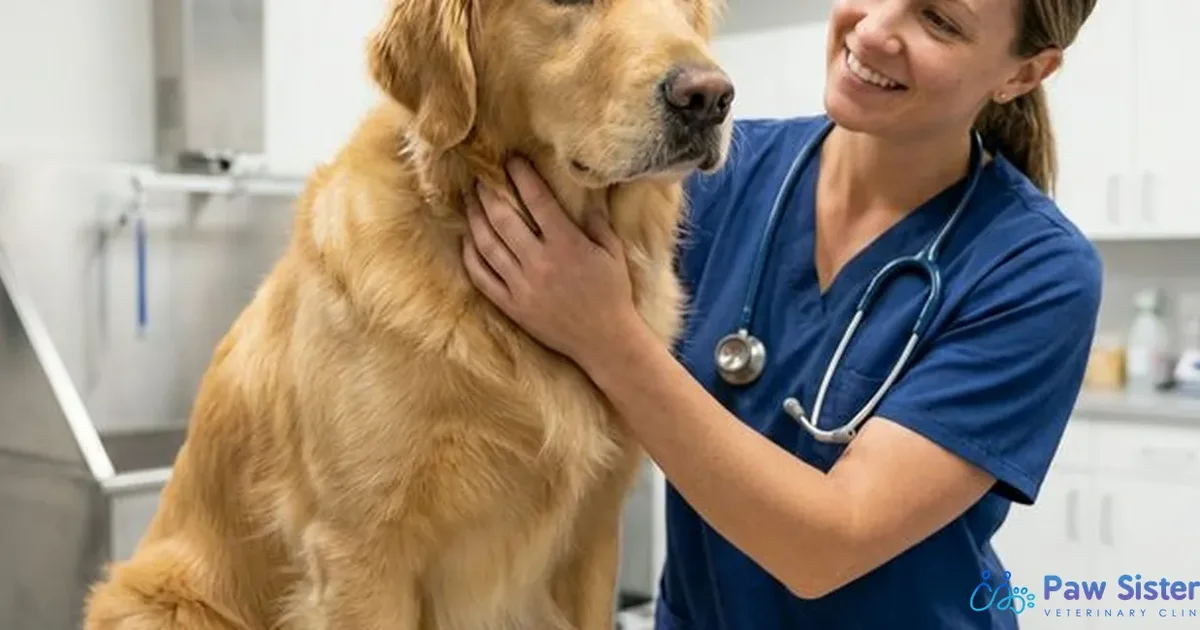
A dog vet in Dubai should do more than give vaccines when they are due. The veterinarian should assess the whole dog, separate routine concerns from emergencies, build a risk-based prevention plan and explain what each test or treatment can and cannot show. For a preventive examination and an individual care plan, start with a veterinary checkup in Dubai.
Key takeaways
- A routine canine checkup should review physical health, weight, teeth, nutrition, behaviour, vaccination, parasite exposure and life-stage risks.
- Breathing difficulty, collapse, uncontrolled bleeding, repeated seizures, suspected poisoning, severe trauma or inability to urinate needs emergency care, not a routine booking.
- Vaccine, parasite and diagnostic plans must be tailored to the dog's age, health, lifestyle, travel and exposure.
- Bring records, medicines and a short symptom timeline so the veterinarian can make a more informed assessment.
Does your dog need routine, urgent or emergency care?
The first decision is how quickly the dog needs to be seen. A stable dog with no new symptoms can usually attend a planned preventive visit. A new symptom may need same-day advice, while instability or severe distress requires immediate emergency veterinary care.
| Level of care | Examples | Best next step |
|---|---|---|
| Routine | Preventive exam, weight review, vaccine planning, parasite-risk review | Book a normal checkup |
| Prompt or same-day advice | New cough, repeated ear discomfort, vomiting, diarrhoea, sudden appetite change, painful limp | Call the clinic and describe onset, severity and medical history |
| Emergency | Breathing difficulty, collapse, repeated seizures, major trauma, uncontrolled bleeding, suspected toxin, swollen painful abdomen, inability to urinate | Contact emergency care immediately and follow transport instructions |
This table cannot diagnose the cause. If you are uncertain because signs are worsening quickly, contact a veterinary clinic rather than waiting for the next routine slot.
What should a dog vet in Dubai check?
A preventive visit should connect the physical examination with the dog's diet, environment and life stage. The AAHA and AVMA preventive healthcare guidelines include examination, vaccination, parasite control, nutrition, dental care, behaviour and appropriate testing within a complete preventive plan.
The veterinarian may review:
- weight trend, body condition and muscle condition;
- heart rate, breathing, circulation and temperature when relevant;
- eyes, ears, skin, coat and any lumps;
- mouth, teeth and gums;
- joints, gait, spine and mobility;
- appetite, food, treats, water intake and elimination;
- vaccination and parasite-prevention history;
- behaviour, sleep, exercise and home environment;
- travel, boarding, daycare and contact with other animals;
- age, breed and previous medical risks.
Not every dog needs the same laboratory test or scan. The veterinarian selects diagnostic services from the history and examination, then explains how the result may change the plan. A test can reduce uncertainty, but it does not guarantee an instant or complete diagnosis.
How does care change from puppy to senior dog?

Life stage changes the priorities discussed at a visit. The AAHA canine life-stage checklist supports repeated review of body and muscle condition, oral health, behaviour, vaccination, parasites and breed-related concerns rather than one package for all dogs.
| Life stage | Common priorities to discuss | Reasons to come sooner |
|---|---|---|
| Puppy | Growth, nutrition, vaccine series, parasite plan, socialisation, handling and identification | Poor appetite, vomiting, diarrhoea, marked weakness or breathing trouble |
| Adult | Weight trend, oral health, skin, ears, lifestyle exposure, behaviour and prevention | New lump, persistent cough, pain, appetite change or repeated digestive signs |
| Mature or senior | Mobility, muscle loss, dental pain, organ-risk review, medication and quality of life | Collapse, breathing change, confusion, sudden weakness or inability to rise |
Age alone does not determine every test or visit interval. A dog with chronic disease, a new medicine or rapidly changing symptoms may need more frequent review than a healthy dog of the same age. Keep a short home record of mobility, appetite, thirst, sleep, elimination and behaviour so gradual changes are easier to discuss.
How are vaccinations chosen?
Vaccination should be individualised according to age, health, vaccine history, geography, lifestyle, exposure and current local requirements. The 2022 AAHA canine vaccination guidelines distinguish core protection from vaccines selected for particular risks. They provide a clinical framework, not a substitute for UAE product labels or local rules.
Tell the veterinarian whether your dog:
- meets dogs at daycare, boarding, grooming or parks;
- travels or may enter the UAE from another country;
- has missed, uncertain or incomplete records;
- had a previous vaccine reaction;
- has an immune condition or receives immune-modifying medicine.
For current local care, use the pet vaccination service. For travel, the current MOCCAE pet-import service is the official source for import conditions. Travel requirements should not be presented as a universal routine-vaccination schedule for every resident dog.
What belongs in a parasite plan?
A parasite plan considers the dog's travel, home, outdoor access, previous prevention and likely exposure. It may include fleas, ticks, intestinal parasites and mosquito-borne infection. The Companion Animal Parasite Council general guidelines support risk-based testing and prevention, although their recommendations are written for North America and do not establish Dubai prevalence.
Do not start, restart, double or switch a preventive product without checking the label and speaking to a veterinarian. Species, weight, age, medical history and timing of the last dose matter. If fleas or ticks are found, ask about tick and flea treatment and home-environment control.
Why do teeth, weight and behaviour matter at a checkup?

Oral pain, excess weight and behaviour changes can be easy to miss when they develop gradually. A checkup gives the team a repeatable way to compare trends and decide whether a focused assessment is needed.
Teeth and gums
The AAHA dental care guidelines state that most dogs have some periodontal disease by three years of age. Bad breath, red gums, drooling, food dropping or chewing on one side deserves an oral examination. Home brushing can slow plaque, but complete assessment and cleaning below the gumline requires veterinary dentistry when indicated. See the site's pet dental care service.
Weight and muscle
Body weight alone does not tell the whole story. The veterinarian should also assess body condition, muscle condition, diet, treats and activity. If the ribs are difficult to feel or the waist is disappearing, use the overweight dog guide and arrange an assessment before making a severe calorie cut.
Behaviour and handling
Pain, sensory change, fear and illness can all change behaviour. Tell the team about new hiding, aggression, night waking, house-soiling or reluctance to move. Ask what handling and waiting-room arrangements are available if your dog becomes fearful at the clinic.
How should you prepare for a dog vet visit?
Good preparation makes the history clearer and reduces avoidable delays. Bring information rather than trying to remember everything under pressure.
Prepare:
- vaccination, parasite, laboratory and imaging records;
- a list or photo of medicines and supplements, including dose instructions from the prescriber;
- the exact food, daily amount, treats and feeding pattern;
- a symptom timeline with onset, frequency, triggers and progression;
- photos or videos of intermittent coughing, limping, seizures or unusual behaviour when safe to record;
- travel, boarding, daycare and animal-contact history;
- questions about the proposed test, treatment, follow-up and warning signs.
Do not stop prescribed medicine before the visit unless the treating veterinarian tells you to. If the dog may have swallowed a toxin, bring the original packaging safely and call ahead.
What should you ask before choosing a clinic?
Choose a clinic based on communication, appropriate facilities and a clear escalation plan rather than superlatives. Useful questions include:
- How are emergencies triaged?
- Which diagnostics are available, and when is referral recommended?
- How are anaesthesia, pain control and recovery monitored?
- Can the clinic provide itemised estimates and medical records?
- How are results and follow-up instructions communicated?
- What should an owner do if symptoms worsen after the visit?
- Is the clinic licensed by the relevant Dubai authority?
Dubai's Public Health Law No. 5 of 2025 includes animal identification and registration responsibilities under the competent entity's procedures. Check the responsible authority for the current process rather than relying on old fee or renewal information.
Frequently asked questions
How often should a healthy dog see a vet?
The interval should be set from age, health, medication, vaccine needs and lifestyle. Many healthy adults have regular preventive reviews, while puppies, seniors and dogs with chronic conditions may need a different schedule.
Does an indoor dog need parasite prevention?
Indoor living can reduce some exposures but does not remove every risk. Travel, other animals, mosquitoes, building environments and missed prevention all affect the plan.
Should I clean my dog's ears every week?
Not automatically. Overcleaning can irritate some ears. Ask the veterinarian whether your dog needs routine cleaning and which product is suitable. Pain, smell, discharge or head shaking needs examination.
Can a routine appointment handle an emergency?
Do not wait for a routine slot if the dog is unstable. Call emergency care immediately for breathing difficulty, collapse, major trauma, repeated seizures, uncontrolled bleeding or suspected poisoning.
What records should a new dog vet receive?
Share vaccination, parasite, medication, laboratory, imaging, surgery and allergy records. A complete timeline helps the new veterinarian avoid unnecessary repetition and interpret changes.
About this guidance
This decision guide was materially reviewed on 23 August 2026 against current preventive-care, vaccination, dental and parasite guidance. It does not diagnose a dog or set a universal visit schedule. For a patient-specific plan, book an appointment with the veterinary team.