Bird Vet Dubai: Exotic Pet Care and Warning Signs
Medically reviewed by Dr. Hasan AlDahhak, DVM ·
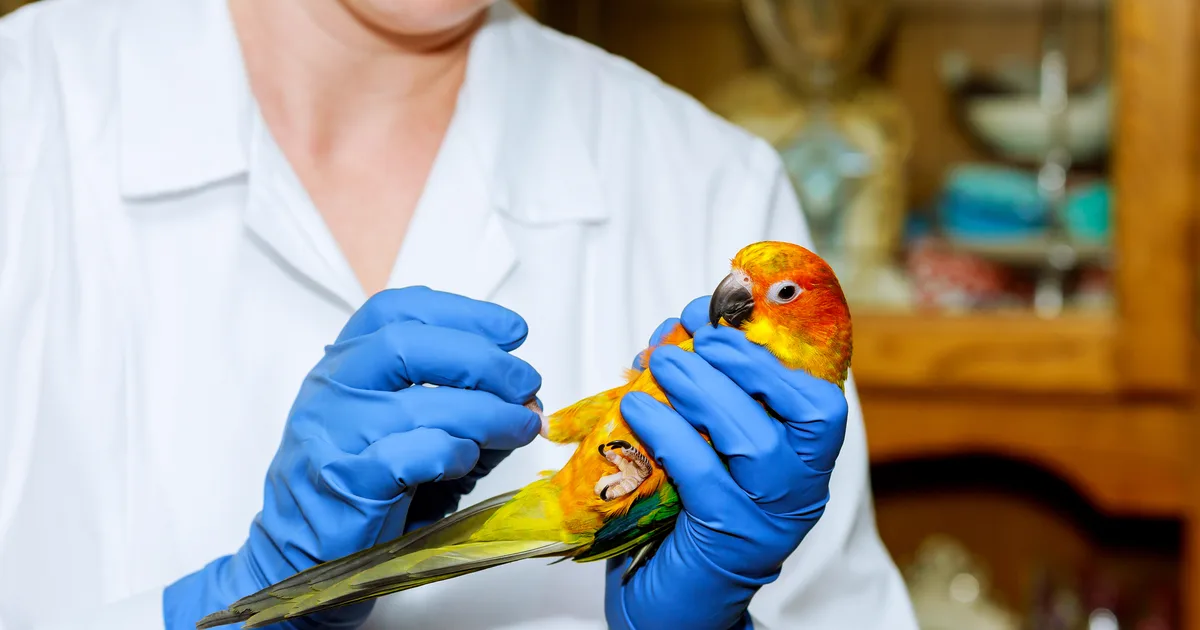
Searching for a bird vet in Dubai usually means you need more than a standard dog or cat appointment. Birds, rabbits, small mammals and reptiles have different anatomy, nutrition, handling and housing needs. Ask the clinic whether its current team can examine your exact species before you travel, then book a species-aware veterinary checkup with details about the animal, enclosure and symptoms.
Key takeaways
- Changes in appetite, droppings, breathing, posture or activity can be meaningful in birds and other exotic pets.
- A useful exotic-pet visit reviews the animal and its environment, including diet, temperature, humidity and lighting where relevant.
- Open-mouth breathing, collapse, uncontrolled bleeding, seizures or a rabbit that stops eating need prompt veterinary triage.
- Confirm that the clinic can see your species and bring photos of the enclosure, food labels and recent records.
When should you call a bird vet in Dubai?
Call promptly when your bird is quieter than normal, eating less, sitting low on the perch, losing balance, breathing with effort or producing different droppings. Birds can mask illness, and Merck Veterinary Manual's April 2025 bird guidance advises owners to treat small changes in behavior, appetite, posture or activity as possible signs of disease.
Use the table below to decide how quickly to seek help. It is a triage guide, not a diagnosis.
| What you notice | Best next step |
|---|---|
| Open-mouth breathing, marked tail bobbing, collapse, seizure, uncontrolled bleeding or severe weakness | Contact an emergency veterinary service now and minimize handling |
| A rabbit stops eating or produces far fewer droppings | Request same-day veterinary advice because GI stasis or obstruction can become life-threatening |
| A bird is fluffed up, unusually quiet, eating less or showing changed droppings | Arrange a prompt examination, especially if more than one sign is present |
| A reptile stops eating but remains otherwise stable | Check species, season and enclosure readings, then ask a reptile-capable vet how soon it should be assessed |
| No symptoms, but the pet is newly acquired or its husbandry is uncertain | Schedule a baseline wellness and husbandry review |
Keep a sick bird warm and quiet during the call, but do not force food, water or medicine. A bird in respiratory distress may deteriorate with restraint. The professional Merck guide to examining pet birds explains why observation before handling and careful restraint matter.
What does an exotic pet examination include?
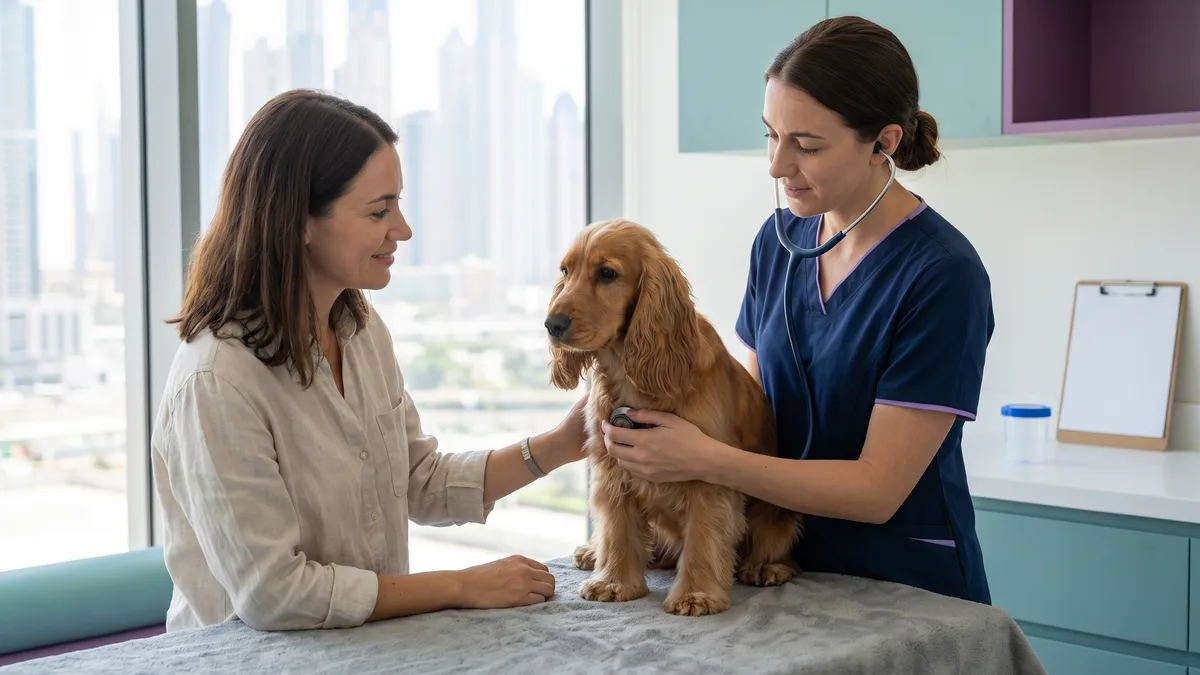
An exotic pet examination starts with history and observation. The veterinarian may watch breathing, posture and movement before touching the animal, then assess body condition, hydration and species-specific structures such as a bird's beak and feathers or a reptile's shell and limbs.
Bring the following information:
- Species and, if known, age and sex
- Daily diet, supplements and treats, including photographs of labels
- Enclosure photos showing size, substrate, perches or hides
- Temperature and humidity readings for reptiles and amphibians
- UVB bulb brand, placement and installation date where UVB is required
- Changes in appetite, weight, droppings, urination, behavior or breathing
- Previous medical records and any current medicines
The vet may recommend fecal testing, blood work, imaging or other pet diagnostic services only when the history and examination support them. Small patients have limited blood volume and may need staged testing, stabilization or sedation based on their condition.
Bird care: what matters beyond the physical exam?
For birds, daily weight trends, nutrition, air quality and behavior can reveal problems that are not obvious during a quick visual check. A gram scale appropriate for the bird's size can help an owner and veterinarian follow weight over time. Use the same scale and similar time of day, then report a consistent downward trend rather than trying to interpret one reading alone.
Seed-only diets can be nutritionally incomplete for many companion parrots, but the right diet depends on species and health. Do not make a sudden diet change in a bird that is ill or already eating poorly. The veterinarian can build a gradual plan and assess whether a medical problem is affecting appetite.
Household fumes also matter. Smoke, aerosols and overheated non-stick cookware can be dangerous around birds, a risk covered in Merck's guide to multi-system pet-bird disorders. If a bird develops sudden breathing trouble after a possible fume exposure, move it to fresh air without chilling it and seek emergency advice.
Rabbit and small-mammal warning signs
A rabbit that stops eating is not a wait-and-see problem. Reduced appetite may be linked to dental pain, stress, another illness, GI stasis or a physical obstruction. The Merck Veterinary Manual rabbit guide updated in July 2026 advises prompt veterinary care when a rabbit stops eating, has diarrhea or produces fewer droppings.
Do not assume every episode is a hairball and do not force-feed before a vet has considered obstruction. Note the last time your rabbit ate and passed normal droppings, then tell the clinic about any tooth grinding, hunched posture, bloating or lethargy.
Guinea pigs, chinchillas, hamsters and ferrets also need species-specific assessment. Appetite loss, breathing changes, diarrhea, marked weakness or difficulty urinating justify a prompt call. Never give a small mammal a dog, cat or human medicine unless a veterinarian has prescribed it for that individual animal.
Reptile care starts with measured husbandry
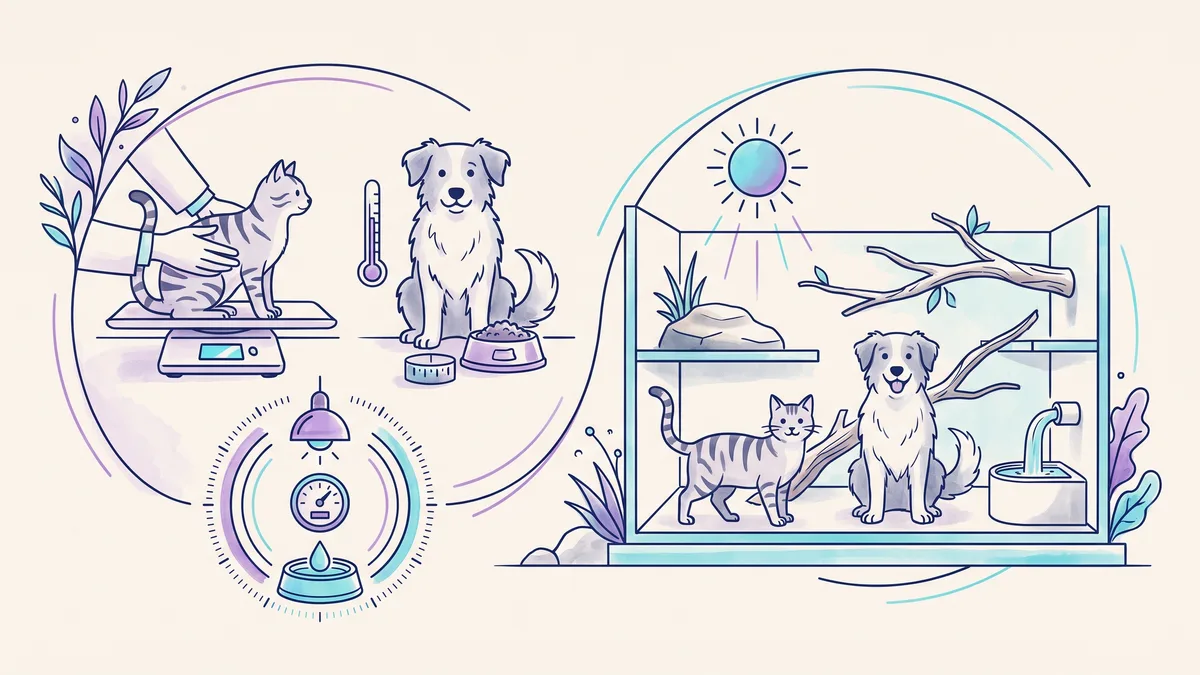
Reptile health is tightly linked to temperature, humidity, light and diet. Guessing from how the enclosure feels is not enough. Record temperatures at the basking and cool zones with reliable devices and note humidity over a normal day.
| Husbandry area | What to document for the vet |
|---|---|
| Temperature | Basking, warm-side and cool-side readings, plus night temperature |
| Humidity | Normal range, recent highs or lows and how it is measured |
| Lighting | UVB type, distance from the animal, barriers such as glass and bulb age |
| Diet | Prey or plant items, feeding frequency, supplements and gut-loading routine |
| Enclosure | Substrate, hides, water access, cleaning routine and other animals housed with the pet |
The correct targets vary by species and life stage. Merck's reptile disease overview identifies poor diet, inadequate UVB and unsuitable temperature as important contributors to metabolic bone disease in susceptible reptiles. This is why a generic temperature or supplement schedule should not be copied from another species.
Seek urgent advice for severe weakness, repeated straining, significant trauma, difficulty breathing, neurological signs or a prolapse. Keep the animal within its normal safe temperature range during transport, without placing it directly against a heat source.
How to prepare an exotic pet for transport
Use a secure, escape-proof carrier sized for the animal. Keep the trip quiet and reduce unnecessary handling.
- Birds: Use a stable carrier with safe footing. Remove swinging toys and cover part of the carrier if that lowers stress without restricting ventilation.
- Rabbits and small mammals: Add familiar, clean bedding or a towel with secure footing. Avoid overheating in a parked car.
- Reptiles: Use a ventilated container appropriate to the species. Maintain a safe temperature with an insulated outer carrier, but prevent direct contact with heat packs.
Call ahead if the animal is unstable. The clinic may suggest a different entrance, immediate triage or specific transport precautions.
Frequently asked questions
How often should a healthy bird see a vet?
A baseline examination after acquisition and regular preventive reviews are sensible, but the interval should reflect species, age, health and risk. Ask the attending veterinarian to set the schedule rather than assuming every exotic pet needs the same frequency.
Can any vet treat birds and reptiles?
Not every clinic has the training, equipment or current staffing for every species. When booking, name the species and problem. Ask whether the available veterinarian regularly sees that type of animal and whether referral is more appropriate.
Should I bring my bird's cage to the appointment?
Photos and measurements are often easier to transport. For some cases, a small travel cage or the usual carrier helps the vet observe posture and droppings. Ask the clinic what it wants you to bring.
What should I do if my rabbit stops eating?
Contact a veterinarian promptly and report when eating and normal droppings stopped. Do not give leftover medicine or force-feed until the vet has considered whether an obstruction is possible.
About this guidance
This article combines current veterinary references with practical questions owners can use when arranging care in Dubai. It cannot confirm a diagnosis or guarantee that a particular species can be seen at a specific time. For an appointment, confirm species availability and book with Paw Sisters. If your pet is collapsing, struggling to breathe, seizing or bleeding heavily, use emergency veterinary care now.