
How Often Should You Take Your Cat to the Vet in Dubai
Medically reviewed by Dr. Hasan AlDahhak, DVM ·
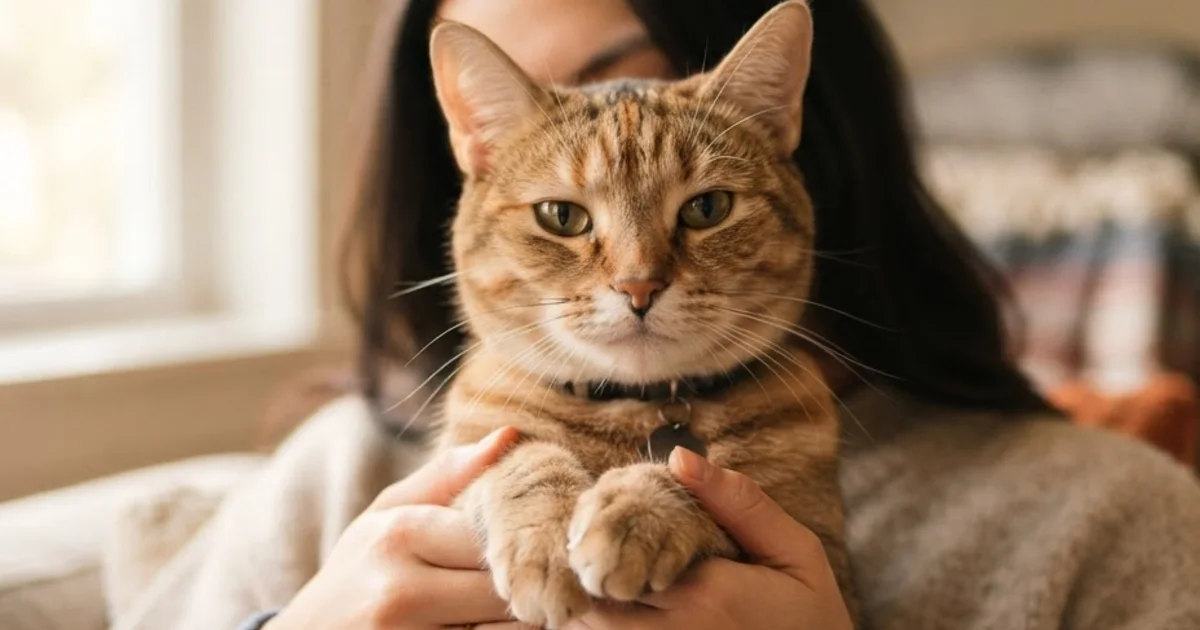
How often should you take your cat to the vet? Current feline guidelines support at least one examination a year for every healthy cat, at least every six months for senior cats, and more frequent visits for kittens or cats with symptoms, chronic disease or medication monitoring needs. Your veterinarian should personalize the interval. Start with a cat veterinary checkup in Dubai and bring the cat's full health and vaccination record.
Key takeaways
- All cats benefit from at least annual veterinary examinations, including indoor cats.
- Current feline guidelines classify cats aged seven to ten as mature adults and cats over ten as seniors.
- Senior cats should generally be examined at least every six months, with tests selected for the individual.
- Kittens return more frequently for vaccination, growth, nutrition and development checks.
- Breathing difficulty, collapse or inability to urinate is an emergency, not a reason to wait for the next routine visit.
Cat vet visit schedule by life stage
The 2021 AAHA/AAFP Feline Life Stage Guidelines recommend at least annual examinations for all cats, more often when individual needs require, and at least every six months for seniors.
| Life stage or situation | Starting visit rhythm | Why the interval may change |
|---|---|---|
| Kitten, under one year | Several visits during the vaccine and development period | Age, maternal antibodies, vaccine product, growth, parasites, illness and sterilization planning |
| Young adult, one to six years | At least annually | Lifestyle, weight trend, dental health, behavior, travel and medical history |
| Mature adult, seven to ten years | At least annually, often more by risk | Early age-related change, medication, oral health, weight or muscle loss |
| Senior, over ten years | At least every six months | Higher need for trend monitoring and individualized diagnostics |
| Chronic disease or long-term medication | Veterinarian-set interval | Disease control, response to treatment, side effects and laboratory monitoring |
| New symptom at any age | Earlier than the routine date | Severity and speed of change determine urgency |
This table is a starting point, not a promise that every cat needs the same package. A stable young adult may stay on annual visits, while a cat with kidney disease, diabetes, weight loss or a new medicine may need much closer follow-up.
When should a cat be seen sooner?
Cats often show illness through changes in routine rather than an obvious cry of pain. Call the clinic when you notice a meaningful change in eating, drinking, urination, stools, grooming, movement, sleep, social behavior or body weight.
Request prompt same-day advice for:
- A cat that stops eating
- Repeated vomiting or diarrhoea
- Painful, frequent or unproductive litter-box trips
- Marked weakness or sudden hiding
- A rapid increase in drinking or urination
- A swollen or painful eye
- A wound, limp or suspected bite
Use emergency veterinary services immediately for breathing difficulty, collapse, inability to urinate, repeated seizures, major trauma, uncontrolled bleeding or suspected toxin exposure. Kittens can deteriorate quickly and should not wait for their next vaccine appointment when they are unwell.
What does a routine cat checkup cover?

The regular pet-checkup guide provides a broader examination checklist for dogs and cats; the feline priorities below add cat-specific life-stage detail.
A useful feline visit looks at the whole cat and the home context. The AAHA life-stage overview includes behavior, environment, elimination, nutrition, oral health, parasite risk, vaccination and diagnostics in life-stage assessment.
The appointment may include:
- Weight, body condition and muscle condition trends
- Heart and lung assessment
- Eyes, ears, skin and coat
- Mouth, teeth and gums
- Abdomen, joints, movement and pain indicators
- Diet, water intake and litter-box habits
- Behavior and home-resource questions
- Vaccine and parasite-risk review
- Discussion of identification and travel plans
Bring videos of coughing, limping or unusual behavior when the sign is intermittent. Also bring the names and doses of medicines and supplements. Do not stop a prescription before the appointment unless the clinic advises it.
How kitten visits differ from adult checkups
Kittens need repeated appointments because growth, maternal antibodies and vaccine timing change quickly. The veterinarian may review feeding, weight gain, stool quality, parasite risk, behavior, socialization, identification and sterilization timing alongside the vaccine series.
The 2020 AAHA/AAFP Feline Vaccination Guidelines emphasize that vaccine choices depend on age, health, lifestyle, environment and exposure. This is why a fixed online calendar cannot replace the vaccine product label and your kitten's record.
If a kitten becomes lethargic, stops eating, vomits repeatedly or develops diarrhoea, call before the next scheduled dose. Review pet vaccination services after the veterinarian has assessed the illness.
What screening may be discussed for older cats?
Older cats can develop gradual changes that are difficult to see at home. More frequent visits create additional opportunities to compare weight, muscle, mobility, blood pressure, oral health and behavior over time.
The 2021 AAFP Feline Senior Care Guidelines support more than one examination each year for senior cats and individualized baseline diagnostics. Tests might include blood, urine or blood-pressure assessment, but no single panel is mandatory for every cat.
| Finding or history | What the vet may discuss |
|---|---|
| Weight or muscle loss | Diet review, oral assessment and selected blood or urine tests |
| Increased thirst or urination | Kidney, endocrine and urinary evaluation |
| Reduced jumping or grooming | Pain, arthritis, dental disease or neurological assessment |
| Vomiting or appetite change | Gastrointestinal, kidney, thyroid and other differentials |
| Long-term medication | Tests suited to the medicine and underlying condition |
If testing is recommended, ask what question each test is intended to answer. The cat blood-testing service explains available diagnostics, while the veterinarian determines which are appropriate.
Why indoor cats still need routine visits
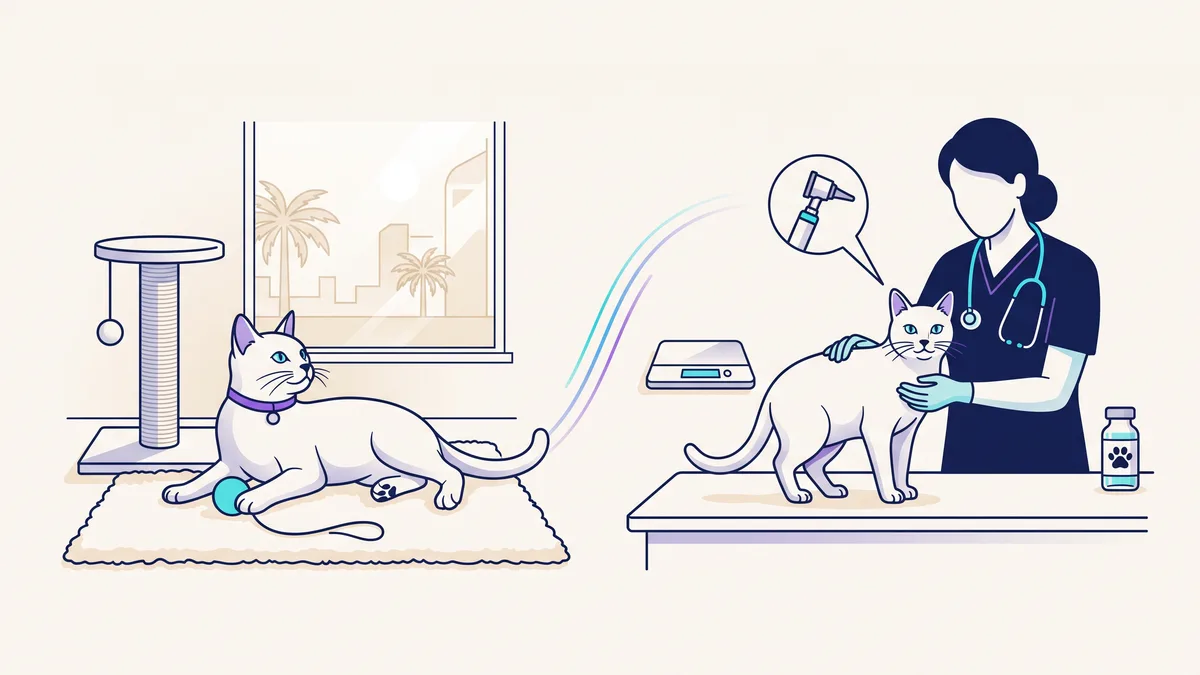
Indoor living reduces some hazards but does not remove dental disease, weight change, urinary problems, pain or age-related illness. It also makes the owner's observations especially important because food, litter and activity changes can be tracked closely.
The AAHA nutrition and weight-management guidelines recommend regular assessment of body weight, body condition, muscle condition, diet and environment. Bring a short feeding history that includes treats and supplements rather than reporting only the food brand.
How to make the trip easier
Prepare before appointment day. Keep the carrier visible as familiar furniture, place comfortable bedding inside and reward voluntary exploration. The Cat Friendly Homes veterinary-visit guide recommends building carrier familiarity well before travel.
Before leaving:
- Confirm the appointment and ask whether the clinic wants a fasting sample.
- Put an absorbent layer under familiar bedding.
- Secure the carrier in the car.
- Cover part of it if this appears to reduce visual stress without blocking airflow.
- Ask the veterinarian in advance about travel anxiety. Do not give unprescribed sedatives.
If travel is a recurring problem, review the cat anxiety guide and discuss a pre-visit plan with the clinic.
Dubai records worth reviewing at a checkup
Dubai residents often need current documents for boarding, relocation or international travel. Ask the team to verify that the microchip number matches the vaccination record and that contact details are current. Destination rules can require additional timing, tests or certificates, so start travel planning early.
Routine visits are also a good time to ask whether lifestyle changes affect vaccination or parasite prevention. A move, new pet, boarding stay or outdoor access can change risk.
Frequently asked questions
How often should an indoor cat see a vet?
At least annually when healthy, with more frequent visits based on age, symptoms, medication and health conditions. Indoor living does not remove the need for preventive examinations.
At what age is a cat considered senior?
Current AAHA/AAFP life-stage guidance calls cats seven to ten years mature adults and cats over ten senior. Individual aging and disease risk still vary.
Does every senior cat need bloodwork every six months?
No fixed panel suits every senior cat. Guidelines support regular assessment and baseline diagnostics, while the veterinarian selects tests from history, examination, prior results and risk.
Why do kittens need several veterinary visits?
Their vaccine series, growth, parasite risk and development change quickly. Timing depends on age, maternal antibodies, health and the vaccine product.
Should I wait for a routine visit if my cat is not eating?
No. Appetite loss can become serious, especially in kittens or when paired with vomiting, weakness or pain. Call the clinic for prompt triage.
About this guidance
This schedule reflects current feline life-stage guidance but cannot replace an individual medical plan. Call sooner for new symptoms and seek emergency care for breathing difficulty, collapse, inability to urinate, repeated seizures or major trauma. To set a schedule for your cat, book with Paw Sisters.