Kennel Cough in Dogs: Symptoms, Transmission, and When to See a Dubai Vet

Kennel cough in dogs is a contagious respiratory illness involving several viruses and bacteria. It can cause inflammation of the trachea (windpipe) and trigger a cough. Coughing alone is insufficient to confirm the infection; a veterinarian needs to assess the cause. 1
If your dog begins to cough after socializing with other dogs in public spaces such as a park, kennel cough is one possibility. The severity and progression of the illness vary from dog to dog.
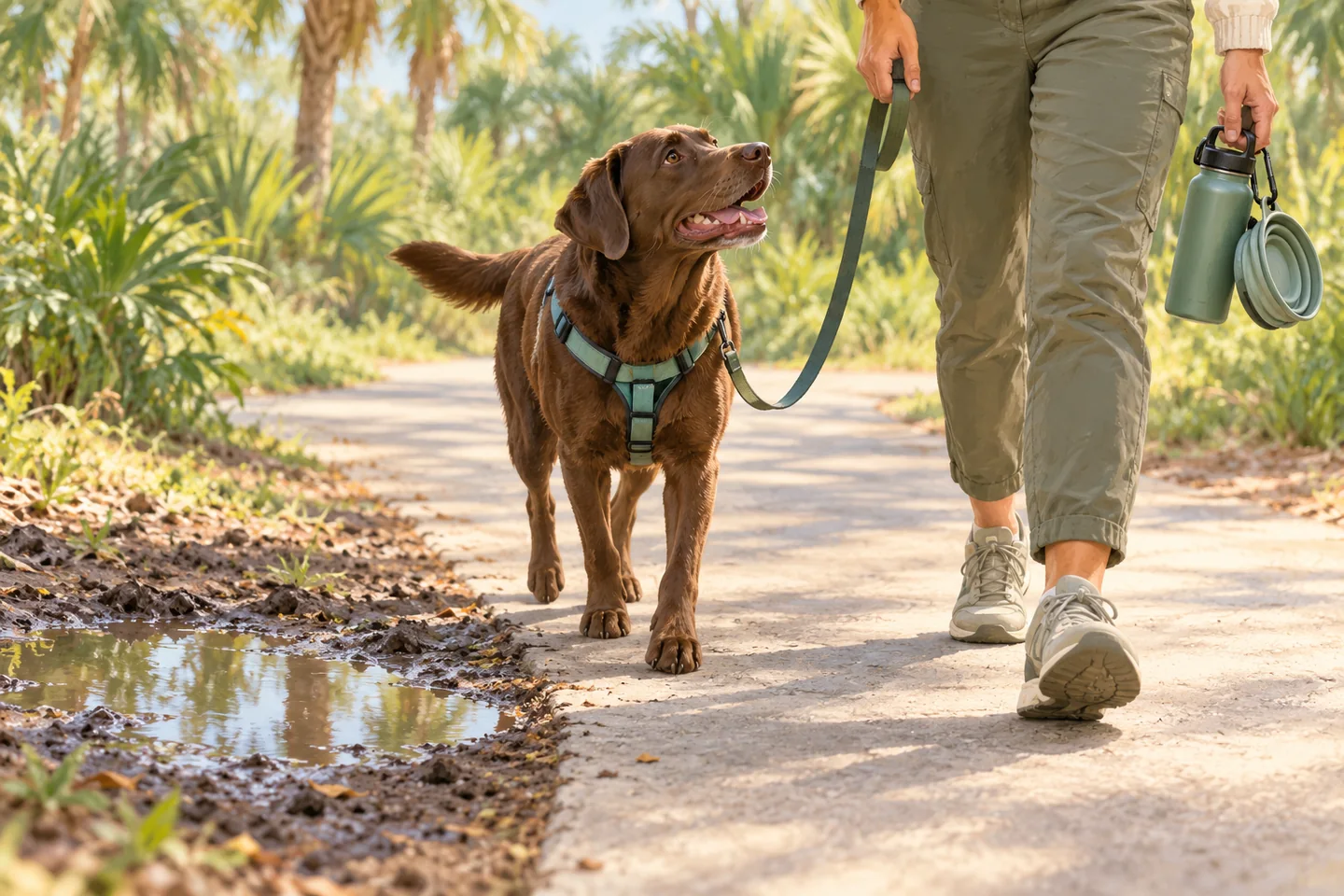
AI-generated illustration of rest and supportive care.
What Is Kennel Cough in Dogs?
Kennel cough is also known as infectious tracheobronchitis. While the severity of the illness varies between dogs, the cough typically resembles a “goose honk”. Puppies and dogs with weakened immune systems are at greater risk of serious illness. 1
Recognizing Kennel Cough Symptoms in Dogs
Monitor your dog closely for these signs, especially after contact with other dogs.
Typical Kennel Cough Presentation
- A harsh, hacking cough.
- Recurring bouts or spasms of coughing.
- Coughing fits that may end in gagging or retching. 1
- Coughing episodes triggered by excitement or physical activity, such as running or long walks.
Other Potential Signs
Frequent sneezing, a runny nose, watery eyes, reduced energy, loss of appetite or fever can also occur. These signs can occur with kennel cough, but other illnesses can look similar; a vet needs to assess the cause. 3
When to Seek Urgent Help
Difficulty breathing, blue-tinged gums or collapse need immediate emergency veterinary care. Go to the nearest emergency animal hospital and call ahead if possible. Do not wait for a routine appointment. 4
Contact your vet promptly if your dog has fever, marked lethargy, poor appetite or worsening symptoms.
How Does Kennel Cough Spread Among Dogs?
Being in public places or areas where dogs mingle is one of the most common ways kennel cough spreads.
Common Ways Kennel Cough Spreads
- Through contact with an infected dog, whether via respiratory droplets or direct physical contact.
- By sharing food and water bowls with other dogs.
- Some respiratory pathogens can spread through contaminated toys, bowls, hands or clothing. The risk varies; contact with an item does not mean infection is certain. 2 3
Where Is Exposure More Likely?
The risk of infection increases when your dog interacts with large groups of dogs in environments such as dog daycares, grooming salons, public parks, and shelters.
How Soon Can Symptoms Appear After Exposure?
According to Cornell University College of Veterinary Medicine, symptoms typically begin to appear between 2 and 10 days after exposure. If your dog develops a cough after interacting with other dogs, mention this history to the veterinarian. 2
What Should You Do If Your Dog Starts Coughing?
Take precautions to protect other animals while you arrange veterinary advice:
- Keep your dog away from other dogs, including at daycare or in public places.
- Use separate food and water bowls and toys, and clean them as your vet advises.
- Do not administer medications, including human cough medicines, without veterinary advice.
- Monitor appetite, breathing, nasal and eye discharge, and activity levels.
- Inform the veterinarian of all symptoms observed, their progression, and recent contact with other dogs. Call before bringing a coughing dog into the clinic.
How Vets Diagnose Kennel Cough and Rule Out Other Causes
Veterinarians assess your dog through a clinical examination, medical history, recent contact with other dogs and the severity of the symptoms. Other airway or heart conditions can also cause coughing and need different care.
In more severe or persistent cases, the veterinarian may recommend chest X-rays or swabs for PCR testing for selected respiratory pathogens. Not all dogs need the same tests; the approach depends on the veterinarian’s assessment. 1 3
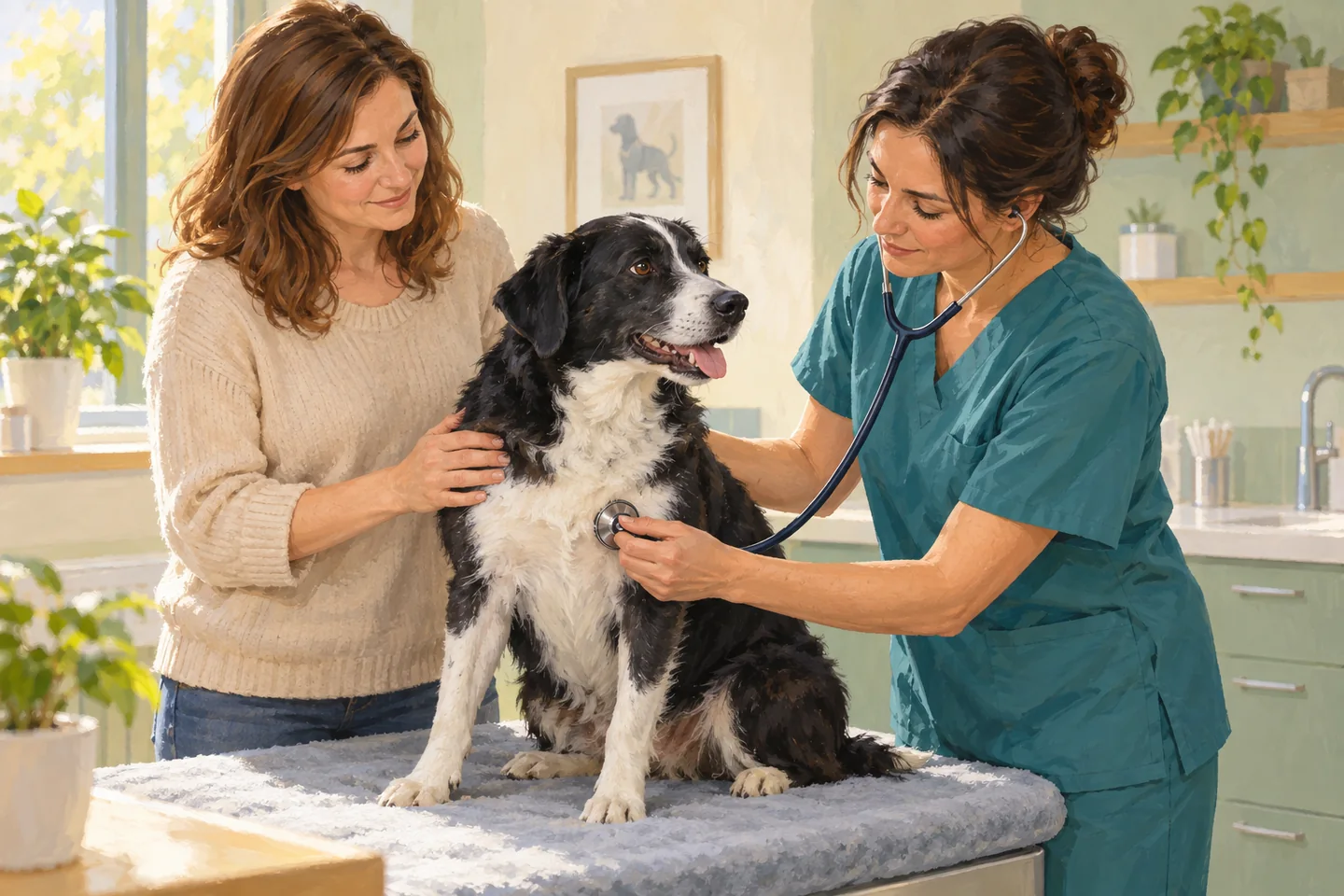
AI-generated illustration of a veterinary assessment; no real clinic staff or patient is depicted.
Treatment, Supportive Care, and Recovery from Kennel Cough
The appropriate treatment for infectious canine cough varies depending on the severity of symptoms, and there is no fixed recovery period for the illness.
How Is Kennel Cough Treated?
After a veterinary examination, the veterinarian determines the most suitable treatment plan based on your dog’s condition. Many mild cases improve with rest, supportive care and symptom monitoring. Antibiotics are not routine; a vet may prescribe them when a bacterial infection or complication warrants treatment. 1 2
Cough suppressants may help selected dogs with a troublesome dry cough. They are not appropriate for a productive cough or pneumonia. Leave medication choices to your veterinarian. 3 5
How Long Does Kennel Cough Last?
There is no fixed timeframe for recovery; in mild cases, the cough may persist for 10 to 20 days, whereas in complicated cases where the infection worsens, recovery takes longer. Arrange a recheck if the cough persists or your dog is not improving. 1
When Does Kennel Cough Need More Treatment?
Fever, loss of appetite, marked lethargy or worsening nasal discharge require prompt veterinary reassessment because complications such as pneumonia may develop. Difficulty breathing is an emergency, even if kennel cough has already been diagnosed. 1 4
Isolation and Returning to Daycare After Kennel Cough
How Long Should a Dog Stay Away From Other Dogs?
When the cough stops, your dog may still be contagious. Ask the veterinarian how long to keep your dog apart from other dogs; the advice depends on the suspected infection and your dog’s condition. 3
What About Multi-Dog Homes?
If you have more than one dog at home, minimize contact between the unwell dog and the others. Avoid sharing food and water bowls as well as toys, and keep the dogs’ living areas clean. Monitor the other dogs for signs of infection.
When Can My Dog Return to Daycare?
Follow your vet’s advice and check the daycare’s return requirements before sending your dog back.

AI-generated illustration of dedicated dog supplies.
Protecting Your Dog Against Respiratory Infections
Kennel cough can involve several viruses and bacteria. To reduce exposure:
- Avoid contact with coughing dogs.
- Choose facilities such as dog daycares or boarding centers that adhere to safety and hygiene standards.
- Use dedicated food and water bowls for your dog. Ask your vet about dog vaccinations at Paw Sisters based on your dog’s health and lifestyle. Vaccination can reduce risk or severity for covered pathogens, but cannot prevent every cause of kennel cough. 2 3 5
FAQs
How is kennel cough treated in dogs?
Appropriate treatment is prescribed based on a veterinarian’s assessment following an examination. In some cases, only rest and symptom monitoring are required. Antibiotics are reserved for cases where the vet considers them necessary. 1
What are the initial symptoms of kennel cough?
A dry cough resembling a goose’s honk is often the first sign. Coughing fits may end in gagging or retching. The sound alone cannot confirm the cause. 1
Can humans catch kennel cough?
Human infection with Bordetella bronchiseptica, one cause of kennel cough, is rare and mainly affects people with weakened immunity. If someone in your household is at risk, ask their doctor for advice and discuss precautions with your veterinarian. 3
When should I be concerned about my dog’s cough?
Difficulty breathing, blue-tinged gums or collapse need emergency care immediately. Fever, severe lethargy, poor appetite or a worsening cough need prompt veterinary advice. 4 5
How long should I keep my dog isolated after symptoms subside?
Ask your veterinarian for an individual return-to-contact plan. Feeling better and being safe to mix with other dogs are not always the same thing. 3
Schedule a Professional Veterinary Evaluation in Dubai
A cough does not necessarily mean your dog has kennel cough; however, if symptoms appear after contact with other dogs at a kennel or shelter, a veterinary assessment is needed.
You can arrange a veterinary assessment at Paw Sisters in Al Garhoud, Dubai. Your vet can explain which tests are appropriate and how they will be arranged.
Book a veterinary exam in Dubai.
For breathing difficulty or collapse, seek emergency veterinary care immediately rather than waiting for a booking.