Best Time to Walk a Dog in Dubai Summer Safely
Sources and guidance checked
Medically reviewed by Dr. Hasan AlDahhak, DVM ·
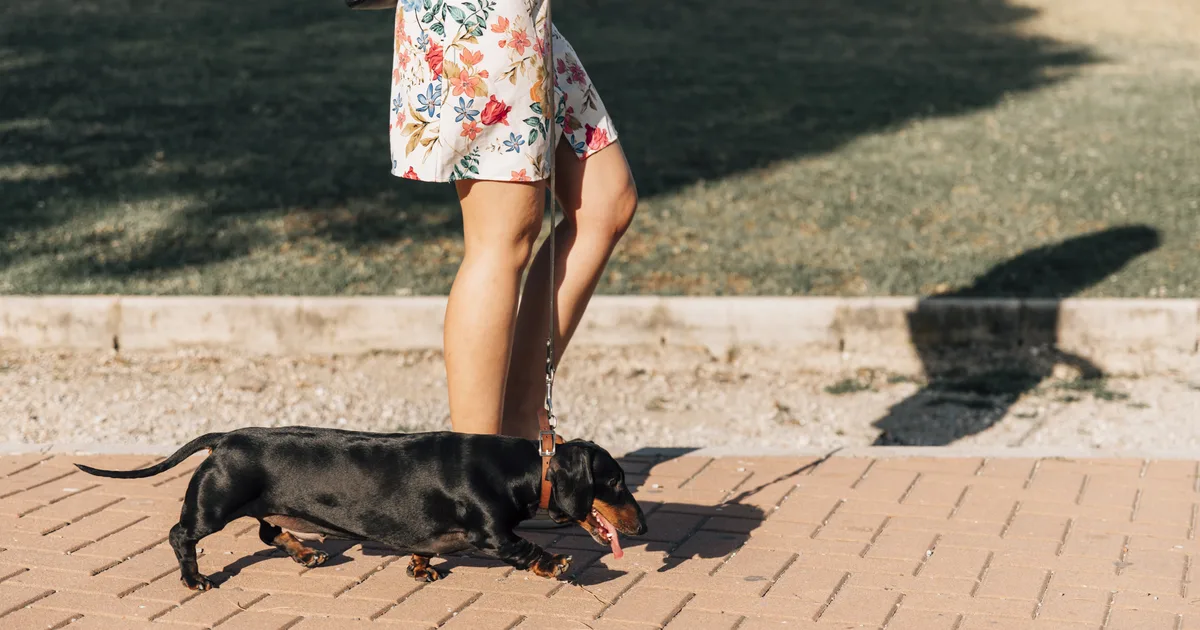
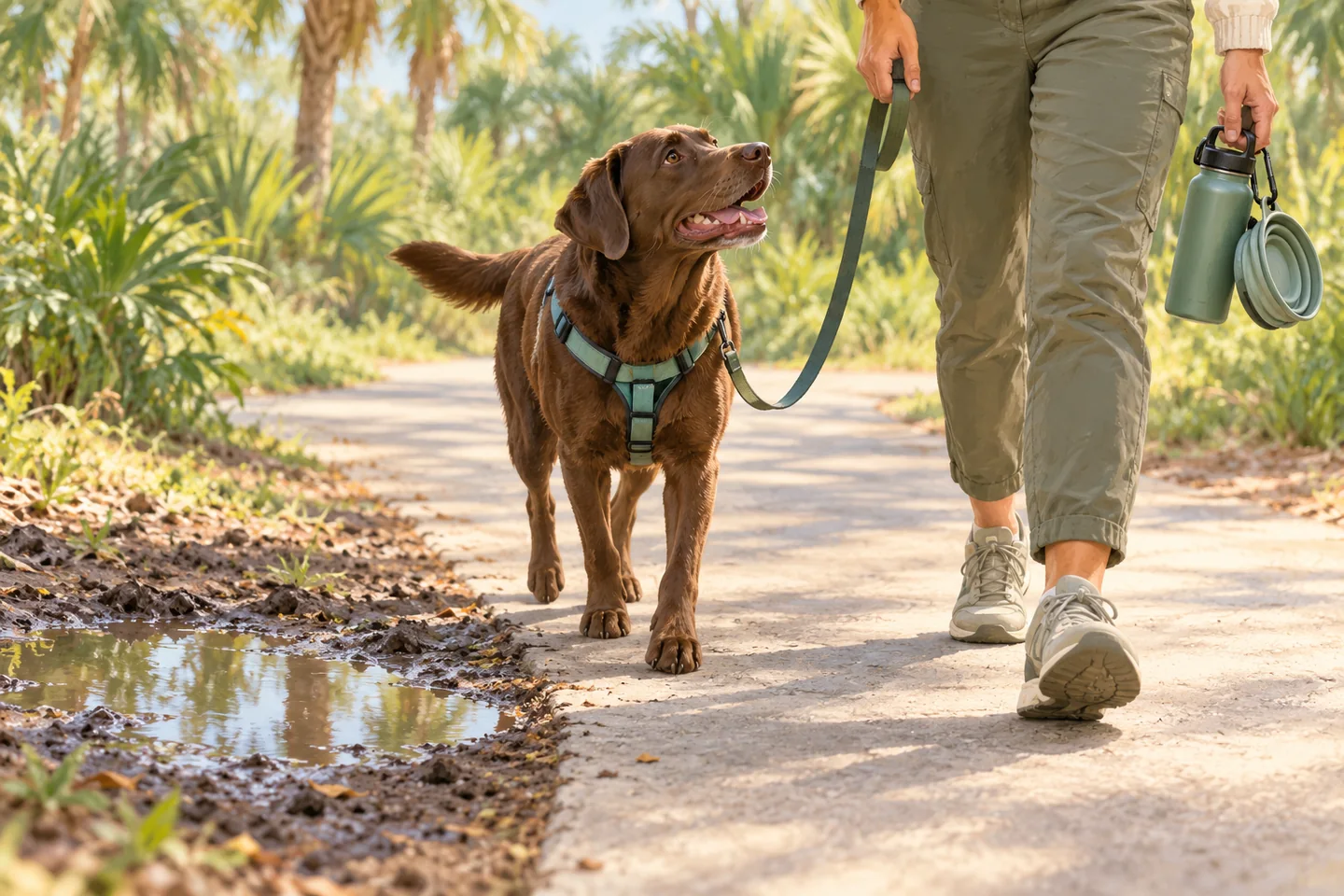
For owners searching "best time to walk dog Dubai," the practical summer answer is before sunrise or late at night after the ground has cooled. The clock alone cannot prove a walk is safe. Check the actual air conditions, humidity, sun, pavement and your dog's health before every outing. When those factors remain uncomfortable, use a brief toilet break on a cool surface and move exercise indoors. If you are unsure whether a health condition changes the plan, book a veterinary checkup.
Key takeaways
- Choose the coolest available window, usually before sunrise or well after sunset, then verify the route rather than trusting a fixed time.
- If the pavement is uncomfortable against your palm for five seconds, do not ask your dog to walk on it.
- Short-nosed, older, overweight, very large and medically unwell dogs need a more conservative plan.
- Heavy panting that does not settle, distress, vomiting, poor coordination or collapse can signal heat-related illness and needs urgent veterinary care.
What is the best time to walk a dog in Dubai summer?
Before sunrise is usually the safest window because surfaces have had all night to lose stored heat. Late evening can also work, but paving may remain hot for hours after sunset. The British Veterinary Association's 2026 hot-weather advice recommends early morning or late evening exercise and avoiding the heat of the day.
Dubai owners should make the final decision from conditions at the route, not from a universal timetable. Humidity can make cooling through panting less effective, direct sun adds radiant heat and dark paving can remain much hotter than the air.
| Check before leaving | Safer sign | Reason to postpone or shorten |
|---|---|---|
| Time and sunlight | Before sunrise or well after sunset | Direct sun or recently sun-heated surfaces |
| Pavement | Palm stays comfortable for five seconds | Surface is uncomfortable, even if the air feels tolerable |
| Dog | Normal breathing, energy and gait | Already panting, unwell, distressed or unusually tired |
| Route | Shade, cool ground and a quick return indoors | Long exposed route with no escape from heat |
| Water and backup | Water available and transport plan ready | No reliable way to cool or return home quickly |
This is a go or no-go screen, not a guarantee. On severe days, skipping outdoor exercise is safer than trying to make a long walk fit the schedule.
How should you test Dubai pavement?
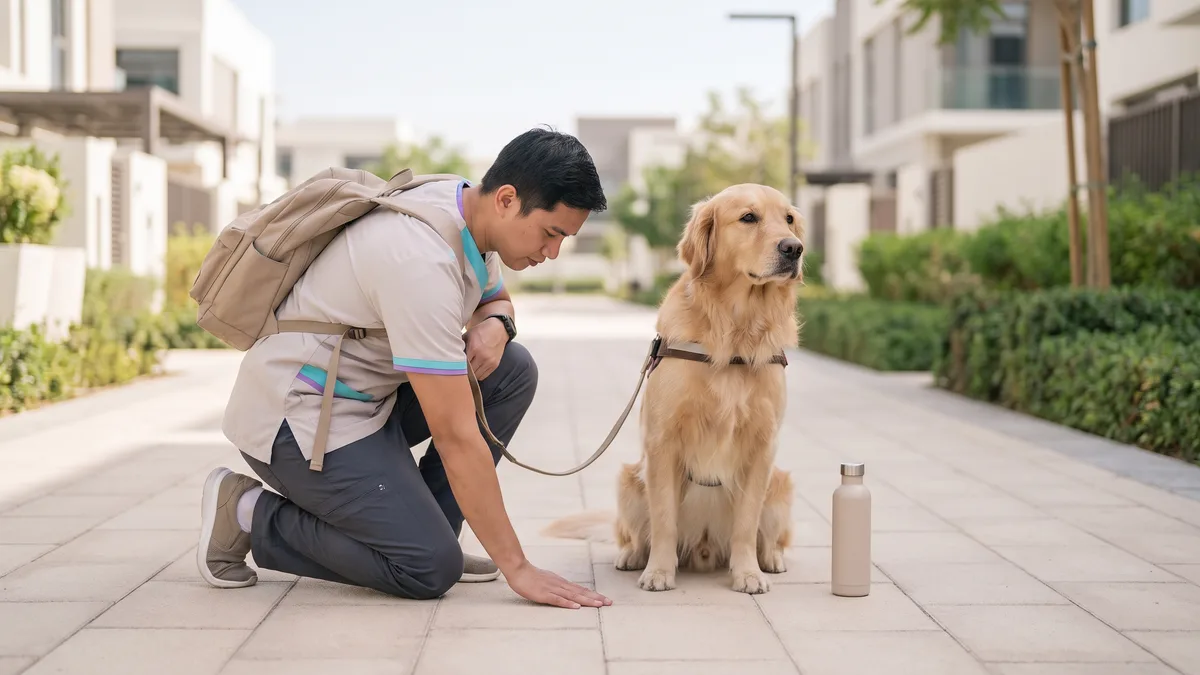
Place your palm flat on the walking surface for five seconds. If you cannot keep it there comfortably, choose grass, a cooler shaded surface or stay indoors. The BVA uses this five-second tarmac test as a simple paw-burn precaution.
Test the exact surface your dog will use. Asphalt, tiles, artificial grass, sand and shaded paving can hold heat differently. Recheck during the walk if the route changes or your dog starts lifting a paw, shortening the stride, limping or trying to leave the surface. Our guide to dog paw burns in Dubai covers first steps and warning signs in more detail.
Boots are not permission for a long hot walk. A well-fitted boot may reduce direct surface contact, but it does not prevent heat-related illness and can affect traction or trap moisture. Introduce protective footwear indoors and stop if the dog walks awkwardly or develops rubbing.
Which dogs need extra heat precautions?
Any dog can overheat, but some lose heat less effectively or face more strain during exercise. A 2024 VetCompass study of dogs seen in UK emergency practices found that brachycephalic dogs had higher odds of heat-related illness than dogs with medium-length skulls. The PubMed study record also identifies age and breed-related differences, although its UK emergency-clinic data should not be treated as a Dubai incidence estimate.
Use a stricter plan for:
- brachycephalic dogs such as French Bulldogs, English Bulldogs and Pugs;
- older dogs and young puppies;
- overweight dogs or dogs that are unusually large for their breed;
- dogs with heart, airway, lung, neurological or mobility problems;
- thick-coated dogs not acclimatised to the climate;
- dogs taking medicines that may affect hydration, circulation or alertness.
Do not shave a double-coated dog as a general heat fix without veterinary or qualified grooming advice. Shade, controlled indoor temperature, hydration and reduced exertion matter more than a drastic coat change. If weight is adding strain, ask for a safe dog weight-management plan rather than increasing summer exercise abruptly.
How long should a summer dog walk be?
There is no safe universal number of minutes. The appropriate duration depends on weather, surface temperature, route, pace, breed, fitness, age and health. Start with the shortest outing needed, stay close to home and turn back before the dog shows fatigue.
A safer summer pattern is:
- provide a short toilet break on a cool surface;
- keep the pace relaxed and avoid running beside bicycles or scooters;
- carry water, but do not force a distressed dog to drink large amounts;
- return to air conditioning before the dog is tired;
- replace most physical work with indoor enrichment.
The finding that exercise often triggers canine heat illness is not theoretical. A surveillance study covering UK veterinary records from 2013 to 2018 found exercise was the recorded trigger in most dog cases where a trigger was known. See the peer-reviewed PubMed summary. Dubai's hotter environment makes conservative exercise planning especially sensible, but the study does not set a Dubai temperature threshold.
What can replace an outdoor walk?
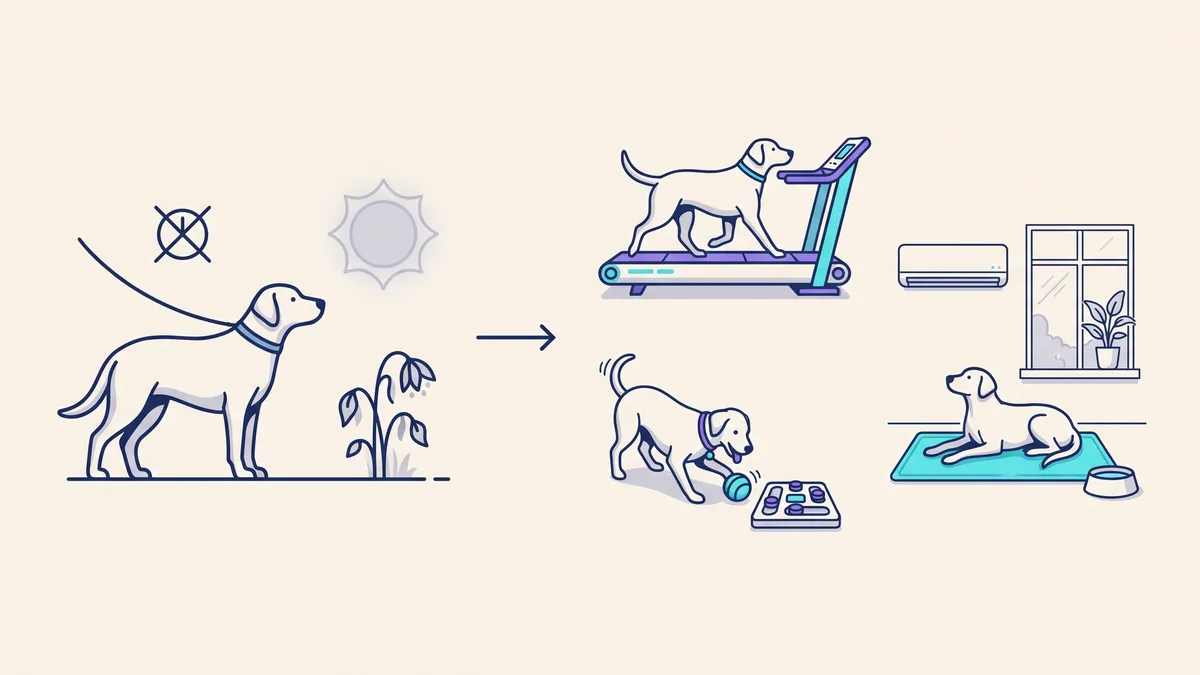
Indoor activity can meet much of a dog's movement and enrichment needs without exposing the dog to hot pavement. Match the activity to joints, breathing and fitness.
| Indoor option | What it provides | How to keep it safe |
|---|---|---|
| Scent search with part of a meal | Mental work and low-impact movement | Hide food at floor level and avoid slippery turns |
| Short training sessions | Focus, problem solving and bonding | Use several brief sessions rather than one tiring block |
| Food puzzle or snuffle mat | Foraging and slower eating | Count treats within the daily food allowance |
| Gentle hallway retrieve | Controlled movement | Stop before panting rises and use non-slip flooring |
| Indoor pet facility | Space for activity in air conditioning | Confirm vaccination, supervision and cleaning rules |
Dogs do not need a long walk every day at any cost. A calm indoor day is a better welfare choice than heat exposure. Senior dogs may also benefit from the joint and comfort adjustments in our senior dog care guide, while a routine checkup can identify health limits that change exercise planning.
What are the warning signs of heat-related illness?
Heat-related illness is an emergency when panting becomes extreme or the dog develops distress, vomiting, altered awareness, poor coordination or collapse. The Merck Veterinary Manual summer safety guidance lists rapid panting, drooling, vomiting, loss of coordination and collapse among important signs.
Watch for:
- heavy or noisy panting that does not settle in a cool place;
- excessive drooling, very red gums or marked distress;
- weakness, confusion, wobbling or reluctance to continue;
- vomiting or diarrhoea;
- collapse, seizures or reduced responsiveness.
Move the dog out of the heat, begin gradual cooling with cool rather than ice-cold water and use moving air if available. Call an emergency veterinary service while cooling and arrange immediate transport. Do not wait for the dog to appear normal, and do not immerse an overheated dog in ice water. Our Dubai heatstroke guide explains the emergency sequence.
Frequently asked questions
Is 6 am always safe for a dog walk in Dubai?
No. It is often cooler than later in the day, but humidity, surface heat, direct sun and the dog's health still matter. Check conditions and pavement every time.
Is walking after sunset safe?
It can be safer, but paving may stay hot long after sunset. Test the route and wait longer if the surface remains uncomfortable.
Can my dog walk in summer if wearing boots?
Boots may reduce paw contact with hot ground, but they do not prevent overheating. Keep the outing brief and monitor breathing, gait and comfort.
Should I give ice water to an overheated dog?
Do not use an ice-cold bath or delay veterinary care. Move the dog to a cool area, use cool water and airflow for gradual cooling, contact a veterinarian and follow their instructions during transport.
About this guidance
This safety guide was materially reviewed on 23 August 2026 using current BVA advice, the Merck Veterinary Manual and peer-reviewed VetCompass evidence. Research from other countries helps identify risk factors but does not create a Dubai-specific safe temperature or walking duration. If your dog has breathing, heart, weight or mobility concerns, contact the veterinary team for an individual summer exercise plan.