Pet Dental Clinic Dubai: Your Quality Checklist
Sources and guidance checked
Medically reviewed by Dr. Hasan AlDahhak, DVM ·
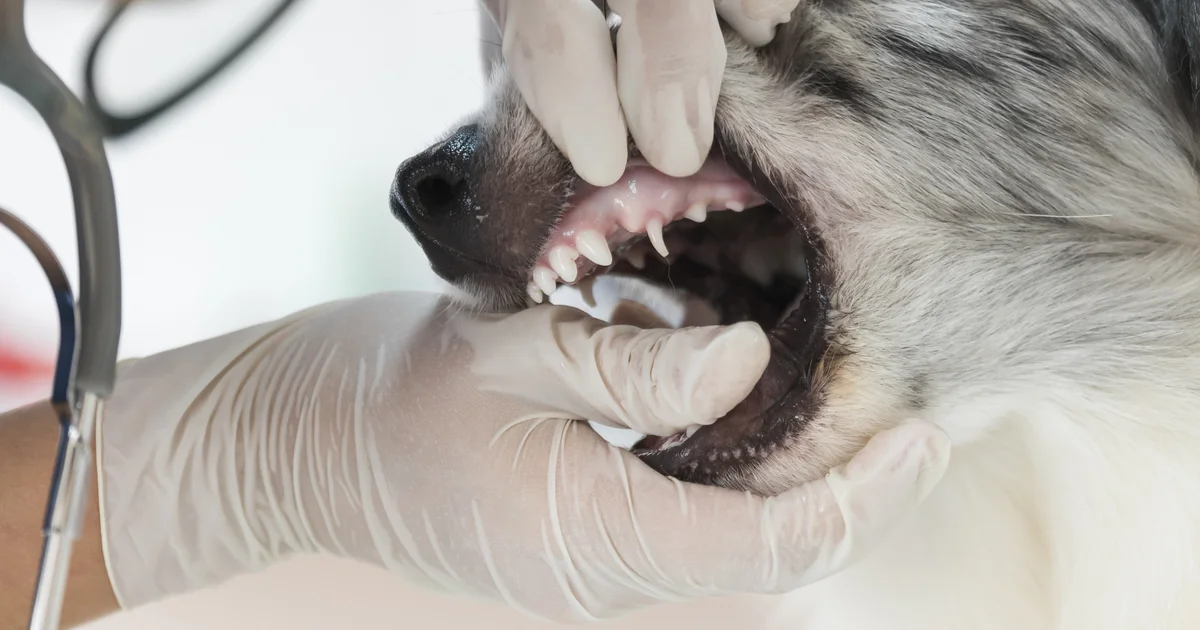
When searching for pet dental clinic Dubai options, compare the whole procedure rather than choosing by cleaner-teeth advertising alone. Look for licensed veterinary care, a patient-specific anesthesia plan, appropriate monitoring, dental radiographs, treatment below the gumline, pain control, written consent, and clear recovery instructions.
Before choosing, compare the clinic's answers with its dental cleaning service and itemised-estimate process. Ask which parts are routine, which depend on the oral examination, and what could change the estimate once the mouth is fully assessed.
Key Takeaways
- A visual awake exam is useful for planning, but it cannot reveal all disease below the gumline.
- A complete veterinary dental procedure uses general anesthesia, monitoring, probing, cleaning below the gumline, and radiographs when clinically required.
- Anesthesia-free scaling removes visible deposits but is not equivalent to periodontal assessment and treatment.
- Ask for a written estimate, consent process, pain plan, discharge instructions, and follow-up plan.
- Facial swelling, uncontrolled bleeding, breathing difficulty, severe oral pain, or inability to drink needs urgent veterinary assessment.
Start With Licensing, Scope, and Communication
Choose a veterinary establishment that is legally authorised to provide animal healthcare in Dubai. The Dubai Municipality Veterinary Services Section describes its role in monitoring and certifying veterinary establishments, clinics, and pharmacies for applicable health requirements.
Licensing is the baseline, not the complete quality test. The clinic should also explain who examines the pet, who monitors anesthesia, what dental procedures it performs, when it refers a case, and how owners can raise concerns after discharge.
| What to compare | Strong answer | Reason to ask more questions |
|---|---|---|
| Oral assessment | Awake screening plus anesthetized charting and probing | "We can see everything while your pet is awake" |
| Dental imaging | Intraoral radiographs available and used according to the case | No clear imaging plan |
| Anesthesia | Individual plan with airway protection and continuous monitoring | Vague promise that anesthesia is risk-free |
| Pain control | Plan before, during, and after painful treatment | Pain discussed only after extractions |
| Consent and estimate | Written scope, likely costs, and approval process for changes | One price with no explanation of possible findings |
| Recovery | Supervised recovery and written home instructions | No clear discharge or contact plan |
| Referral | Defined limits and referral pathway for complex disease | Claims that every case can be handled in-house |
What a Complete Dental Procedure Includes
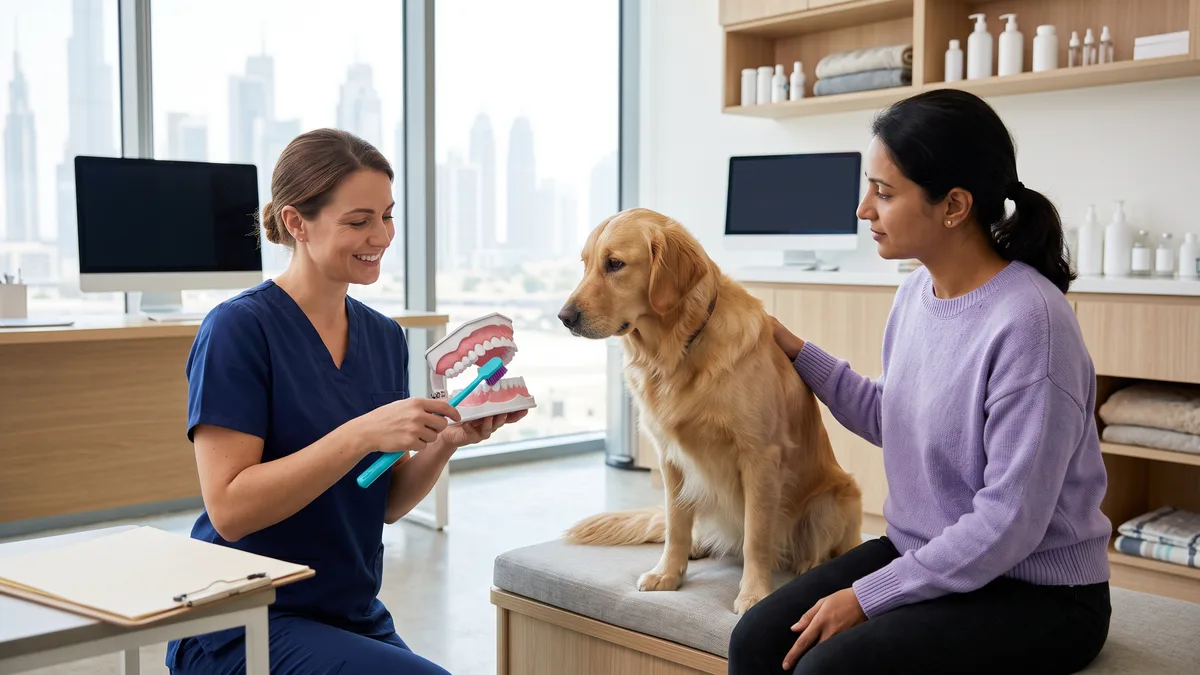
Comprehensive dentistry examines and treats the structures above and below the gumline. The 2019 AAHA Dental Care Guidelines for Dogs and Cats describe a sequence that includes patient assessment, anesthesia, oral examination, charting, dental radiography, scaling, polishing, treatment planning, pain management, and home care.
Ask the clinic whether its standard process includes:
- a medical history and conscious oral screening;
- a patient-specific pre-anesthetic assessment;
- airway protection and physiologic monitoring;
- complete tooth-by-tooth charting and periodontal probing;
- intraoral dental radiographs based on the procedure standard and findings;
- scaling above and below the gumline, followed by polishing;
- treatment of diseased teeth with owner consent;
- pain management and supervised recovery;
- a written discharge and home-care plan.
For a closer look at the sequence, see what happens during pet dental cleaning.
Why Anesthesia and Monitoring Matter
General anesthesia lets the team protect the airway, prevent movement, assess every tooth, probe the gums, clean below the gumline, take intraoral images, and perform painful treatment without conscious distress. The AAHA owner guide Do Pets Need Anesthesia for Dental Care? explains these functions and the role of pre-anesthetic evaluation, an endotracheal tube, continuous monitoring, and supervised recovery.
Anesthesia has risk. A responsible clinic does not dismiss that concern or rely on age alone. It evaluates the individual animal, explains relevant tests, adapts the plan to health findings, assigns monitoring responsibility, and tells the owner what recovery will look like.
Useful questions include:
- What patient information changes the anesthesia plan?
- Which vital signs are monitored and recorded?
- Who watches the pet continuously during the procedure and recovery?
- How is the airway protected from dental debris and fluid?
- What is the plan if a new dental finding changes the procedure?
Ask About Intraoral Dental Radiographs
Dental disease can be hidden beneath the gums. Roots, surrounding bone, resorptive lesions, retained roots, and some fractures cannot be assessed reliably from the visible crown alone.
Ask whether the clinic has intraoral dental radiography, how images are interpreted, and whether post-extraction images are used when indicated to confirm that roots have been removed. Avoid assuming that a normal-looking tooth is healthy below the surface.
If your pet has bad breath, oral pain, pawing at the mouth, bleeding, loose teeth, or changed eating behaviour, review the signs that need a dental checkup.
Anesthesia-Free Scaling Is Not Equivalent Care
Anesthesia-free scaling may make the visible tooth surface look cleaner, but it cannot provide a complete periodontal examination or safely treat disease below the gumline. The American Veterinary Dental College's Facts About Anesthesia-Free Dental Scaling explains that visible surface scraping can leave the disease-causing area beneath the gums unassessed and untreated.
Do not choose anesthesia-free scaling as a substitute for veterinary dentistry because it sounds lower risk. Instead, ask a veterinarian to discuss the pet's actual anesthesia risk and the clinical risk of leaving oral disease untreated.
Pain Control, Extractions, and Referral Planning
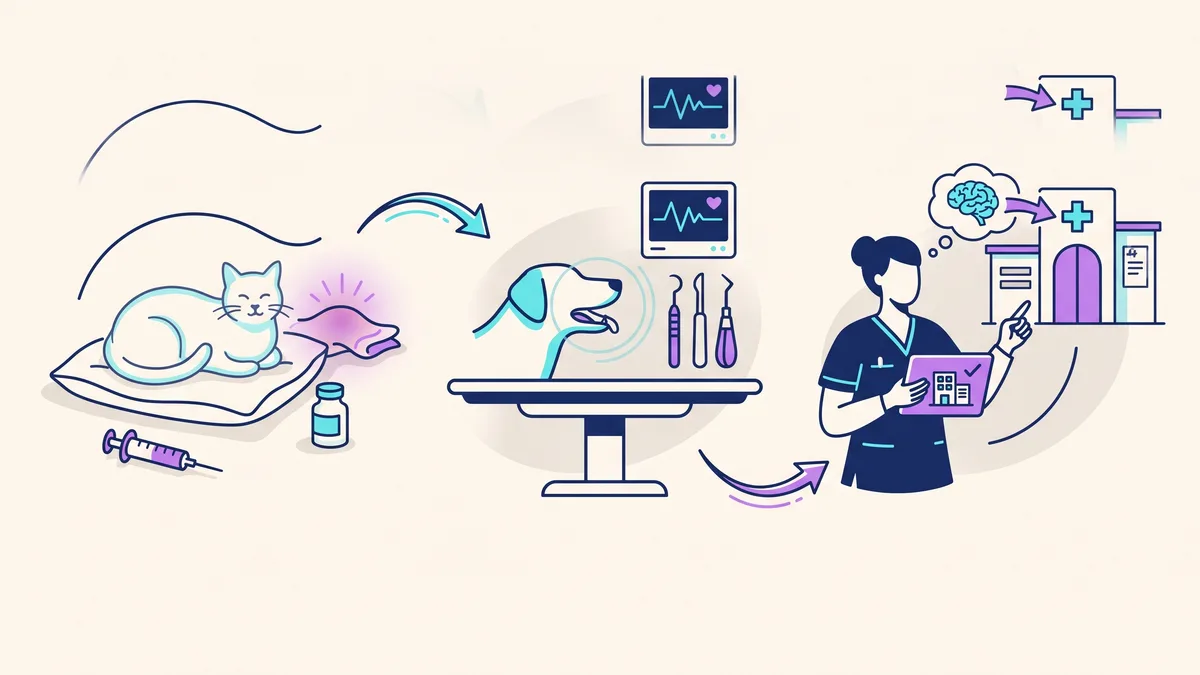
Dental pain can be easy to miss because many pets keep eating. A clinic should anticipate pain, not wait for obvious distress. Ask how pain is assessed, what local and systemic pain-control options may be selected for the individual, and what owners should monitor at home.
The team should also explain its approach to extractions and other treatment:
- When is a tooth considered treatable or non-salvageable?
- How will the owner approve additional treatment found under anesthesia?
- Are post-treatment radiographs used when indicated?
- What cases are referred to a veterinary dental specialist?
- When should the pet return for a recheck?
Understanding how periodontal disease progresses can make these decisions easier to discuss.
Written Estimates, Consent, and Discharge
A useful estimate separates the components that are known before anesthesia from those that depend on full examination and radiographs. It should explain how the clinic contacts the owner if the treatment plan changes and what happens if the owner cannot be reached.
Ask whether the estimate covers consultation, pre-anesthetic tests, anesthesia and monitoring, radiographs, cleaning, medicines, extractions, laboratory work, and rechecks. Do not compare headline prices unless the included work is the same.
At discharge, expect written instructions covering feeding, activity, prescribed medicines, oral care, warning signs, and follow-up. Home prevention should be individualised. Our guide to preventing dental problems between visits explains the daily-care side of the plan.
Red Flags When Comparing Dental Services
Pause and ask more questions if a provider:
- promises a complete dental treatment without anesthesia;
- cannot explain monitoring, airway protection, or recovery;
- treats visible tartar as the only measure of disease;
- has no clear radiography or referral pathway;
- guarantees zero anesthesia risk or a perfect outcome;
- recommends antibiotics as a routine substitute for treating the dental source;
- cannot provide a written estimate or consent process;
- recommends one fixed cleaning interval for every pet;
- asks you to scrape tartar at home.
The Royal College of Veterinary Surgeons practice-selection guide also recommends comparing services, communication, fees, and arrangements. Its advice is a general decision aid, not UAE regulation.
When Dental Signs Need Urgent Care
Seek prompt veterinary advice for a broken tooth, worsening pain, bleeding, pus, refusal of food, or a rapidly growing oral lump. Facial swelling, uncontrolled bleeding, breathing difficulty, major oral trauma, a possible electrical or chemical burn, or inability to drink can be urgent.
Do not brush, scrape, or apply human oral products to a painful, bleeding, fractured, or severely inflamed mouth before examination.
Frequently Asked Questions
Does every pet need a dental cleaning each year?
No single interval suits every pet. The veterinarian should recommend examination and treatment timing based on species, age, oral findings, disease risk, previous treatment, and home care.
Is anesthesia too risky for an older pet?
Age alone does not define anesthesia risk. The clinic should assess current health, relevant diseases, test results, procedure needs, monitoring, and recovery before recommending a plan.
Should a pet dental clinic take X-rays?
Intraoral dental radiographs are central to comprehensive evaluation because important disease can be hidden below the gumline. Ask how the clinic decides which images are needed and how they affect treatment.
Is anesthesia-free cleaning better than doing nothing?
It should not be presented as an equivalent dental treatment. Surface scaling can create a cleaner appearance without evaluating or treating periodontal disease beneath the gums.
What should I bring to a dental consultation?
Bring the medical history, current medicines and supplements, previous dental records or radiographs, recent test results, and notes about eating, chewing, breath, bleeding, or behaviour changes.
About this guidance
This guide was materially reviewed on 23 August 2026 using AAHA dental guidelines, American Veterinary Dental College guidance, Dubai Municipality information, and a general practice-selection framework. It is educational and cannot assess an individual pet or verify a clinic's current equipment, staffing, prices, or credentials. Confirm those details directly and seek veterinary care for concerning signs.