
Pet Food Dubai: How to Choose a Safe Daily Diet
Medically reviewed by Dr. Hasan AlDahhak, DVM ·
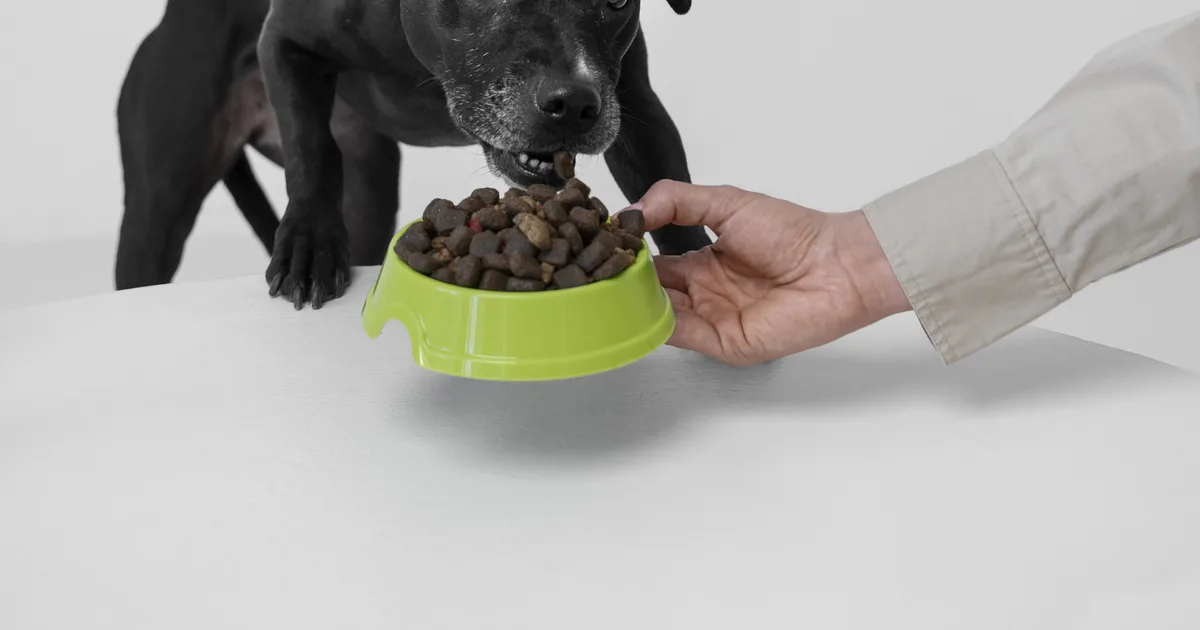
The best pet food Dubai owners can choose is a complete diet made for the right species and life stage, from a manufacturer that can explain its formulation and quality controls. Ignore claims such as "premium" or "natural" until you have checked nutritional adequacy, calories, feeding directions and whether the diet fits the individual pet.
If a dog may have eaten xylitol, grapes, raisins, chocolate or another toxin, do not wait for symptoms or try to solve it with food. Contact an emergency veterinary service and take the packaging with you.
Key takeaways
- Start with a complete-and-balanced nutritional adequacy statement for the pet's species and life stage.
- Treat the package feeding guide as a starting estimate, then adjust with veterinary advice and body-condition trends.
- Raw and improvised home diets can create infection or nutrient-balance risks and need expert formulation.
- Grain-free is not automatically healthier, and an ingredient list alone cannot show whether a food is nutritionally sound.
- Store food according to its label, keep it cool and dry, and refrigerate opened wet food promptly.
A quick pet food decision table
Use the package and your pet's health history to narrow the choice. A front-of-pack marketing claim is not enough.
| Check | What to look for | Why it matters |
|---|---|---|
| Species | Clearly labeled for dogs or cats | Dogs and cats do not have identical nutrient requirements |
| Life stage | Growth, adult maintenance, gestation/lactation or another defined purpose | Nutrient and calorie needs change with life stage |
| Nutritional adequacy | Complete and balanced for the intended stage, or the applicable FEDIAF wording | Distinguishes a staple diet from a treat or complementary food |
| Calories | kcal per kg plus kcal per cup, can, pouch or other serving | Helps compare portions across foods |
| Feeding directions | Amount by body weight and life stage | Gives a starting point, not a guaranteed final portion |
| Manufacturer support | Contact details and clear answers about formulation and quality control | Makes the product and its claims accountable |
| Pet response | Stable weight, normal stool, appetite and skin or coat condition | Shows whether the plan needs reassessment |
The WSAVA Global Nutrition Guidelines and toolkit recommend a nutritional assessment that considers the animal, the diet, feeding management and environment. That approach is more reliable than ranking foods by one ingredient.
How to read a pet food label in Dubai

First, find the nutritional adequacy statement. On products using the AAFCO framework, "complete" means that required nutrients are present and "balanced" means they are in appropriate ratios. The AAFCO label guide explains the recognized statements and warns that most treats and snacks are not intended to provide a complete daily diet.
Products following European guidance may refer to FEDIAF. The FEDIAF Nutritional Guidelines provide peer-reviewed nutrient guidance for complete and complementary foods for healthy cats and dogs. A complementary food is not necessarily suitable as the sole diet.
Then check:
- Intended species and life stage. A puppy, kitten, adult and reproducing animal can have different nutrient needs.
- Calorie statement. Compare calories per practical serving, not just the size of a scoop.
- Feeding directions. Use them as a starting point and measure the actual amount fed.
- Lot number and best-before date. Keep the original package or photograph these details in case of a recall or reaction.
- Manufacturer contact. The company should answer product questions rather than sending only marketing language.
Do not choose a food because meat appears first on the ingredient list. Ingredients are listed by weight before processing, and that list does not show the final nutrient balance, digestibility or quality-control system.
Questions to ask a pet food company
A credible manufacturer should be able to explain who formulates the food and how consistency and safety are checked. Ask:
- Who formulates the diet, and what nutrition qualifications do they hold?
- Is the diet complete for the stated species and life stage?
- Is that conclusion based on nutrient profiles, feeding trials or another recognized method?
- What quality-control tests are performed on ingredients and finished food?
- Where is the food made, and can the company trace its ingredients and lots?
- Can it provide typical nutrient analysis and calorie content beyond the minimum label guarantees?
- How does it investigate adverse-event reports and communicate recalls?
A vague answer does not prove a food is harmful, but it gives you less evidence for a long-term decision. Bring the product name and label to a routine veterinary checkup when comparing diets for a growing, senior or medically affected pet.
Match the diet to life stage and health
Choose a food for the animal in front of you, not for a generic breed stereotype.
Puppies and kittens
Growth diets must support development without inappropriate mineral or calorie excess. Large-breed puppies have specific growth considerations, so use a diet labeled for their growth pattern and ask a veterinarian to monitor body condition. Avoid adding calcium or vitamin supplements to a complete growth food unless they are prescribed.
Healthy adults
Adult maintenance food should maintain a lean, stable condition at a practical portion. Activity, neuter status, treats and indoor living can change energy needs. A highly active dog and a sedentary indoor cat should not receive the same calorie logic.
Senior pets
Age alone does not identify one perfect senior formula. Weight trend, muscle loss, dental comfort, kidney health, mobility and other diseases should guide the choice. The senior dog care guide explains which changes deserve a veterinary assessment rather than an automatic food switch.
Pets with medical conditions
Kidney disease, diabetes, urinary disease, food-responsive skin or digestive disease and pancreatitis concerns can require different nutrient goals. A veterinary therapeutic diet is a clinical tool, not simply a premium food. Do not replace one, add supplements or mix in large amounts of another food without checking the treatment plan.
Portion control and body condition
The correct portion is the amount that supports an appropriate body condition and stable health trend. The number on the bag is an estimate because individuals differ.
Feeding directions may need revision according to the animal's activity and condition. Use this process:
- Record the exact food and its calories per serving.
- Measure the daily portion with a gram scale when possible.
- Include treats, chews, table food and supplements in the diet history.
- Check body weight and body condition consistently.
- Adjust gradually with veterinary advice when weight or muscle condition changes.
On a nine-point body-condition scale, an ideal dog or cat usually has ribs that are easy to feel under a light fat covering, a visible waist from above and an abdominal tuck from the side. Shape varies, so combine the visual score with hands-on assessment and weight trends.
For an overweight dog, use a structured dog weight-loss plan rather than cutting food sharply. For a cat with weight change, thirst or urination changes, read the cat diabetes warning signs and arrange an exam.
Dry, wet, raw or home-cooked: how do they compare?
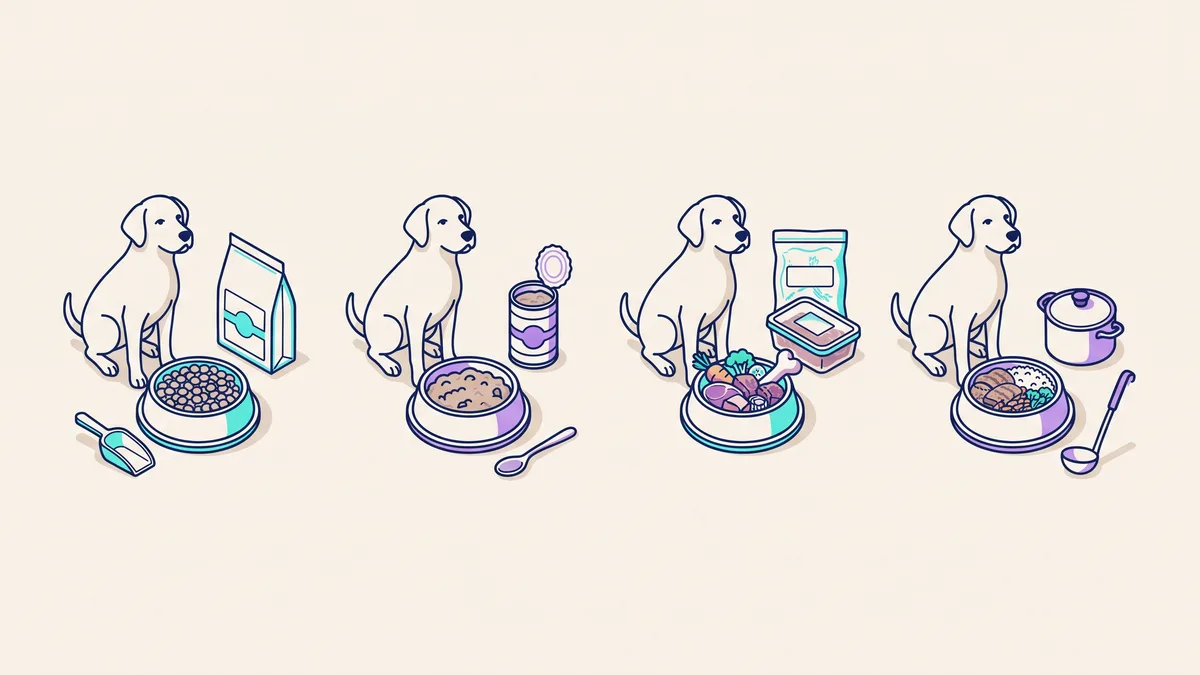
Format is less important than nutritional adequacy, safety and fit. Both dry and wet commercial diets can be suitable when they are complete for the intended pet.
| Diet type | Possible practical advantage | Main limitation to manage |
|---|---|---|
| Dry commercial food | Convenient portioning and storage | Calorie density can make overfeeding easy |
| Wet commercial food | Higher moisture and often easy to chew | Opened food needs prompt refrigeration and clean handling |
| Mixed wet and dry | Can combine convenience and moisture | Total calories must include both foods |
| Raw diet | Owner preference for minimal cooking | Pathogen exposure and nutrient balance need serious controls |
| Home-cooked diet | Ingredients can be tailored for a specific case | Recipes can be incomplete without specialist formulation and follow-up |
Raw diets
Raw food can expose pets, people and household surfaces to foodborne bacteria. In a two-year sampling study described by the US FDA raw pet food guidance, the agency found a potential health risk for pets eating raw food and people handling it. Freezing is not a sterilization method.
If an owner chooses raw despite those risks, separate it from human food, thaw it in the refrigerator, wash hands and utensils, clean and disinfect surfaces, and remove leftovers promptly. Households with young children, older adults, pregnant people or anyone immunocompromised should discuss the human-health risk with their medical professional as well as the pet's diet with a veterinarian.
Home-cooked diets
A homemade diet needs a complete recipe formulated for the individual animal and followed exactly. Ingredient swaps, omitted supplements and casual portion changes can alter its nutrient profile.
The AAFCO consumer nutrition FAQ describes complete diet formulation as complex, with many nutritional parameters and life-stage differences. For long-term home cooking, seek a veterinarian with advanced nutrition training or a board-certified veterinary nutrition specialist.
Is grain-free food better?
Grain-free is not a health upgrade for most pets by itself. It describes what is absent, not whether the whole diet is complete or appropriate.
The FDA's current non-hereditary DCM questions and answers say that the agency does not know a single specific diet connection. Reports have involved grain-free and grain-containing diets, although many reported diets used non-soy pulses high in the ingredient list. The FDA does not state that legumes are inherently dangerous.
Do not switch suddenly or diagnose diet-associated heart disease from an ingredient list. Discuss the diet with a veterinarian if a dog eats an unusual or boutique formula, or develops weakness, fainting, coughing, reduced stamina or breathing changes.
Human foods that need urgent caution
Dubai kitchens contain the same major food hazards as any household. The FDA list of potentially dangerous items for pets includes chocolate, caffeine, grapes, raisins, onions, garlic, macadamia nuts, fatty foods and xylitol.
| Exposure | Main concern | What to do |
|---|---|---|
| Xylitol in sugar-free gum, sweets, toothpaste or some nut butters | Rapid low blood sugar and possible liver injury in dogs | Contact an emergency vet immediately |
| Grapes or raisins | Kidney injury can occur in dogs, and a safe dose cannot be assumed | Seek veterinary advice promptly |
| Chocolate or caffeine | Heart rhythm, neurologic and digestive effects vary by product and dose | Call with the product, amount, pet weight and time |
| Onion, garlic or chives | Digestive irritation and red blood cell damage | Contact a vet, especially after concentrated or repeated exposure |
| Bones, pits or corn cobs | Choking, tooth damage or digestive obstruction | Urgent assessment for swallowing, pain or repeated vomiting |
| Fatty or heavily seasoned leftovers | Digestive illness and possible pancreatitis risk | Call a vet for persistent vomiting, pain or lethargy |
Do not induce vomiting or give a home antidote unless a veterinarian or animal poison professional tells you to do so. Keep the package, ingredient list and an estimate of the amount eaten.
Store pet food safely in Dubai heat
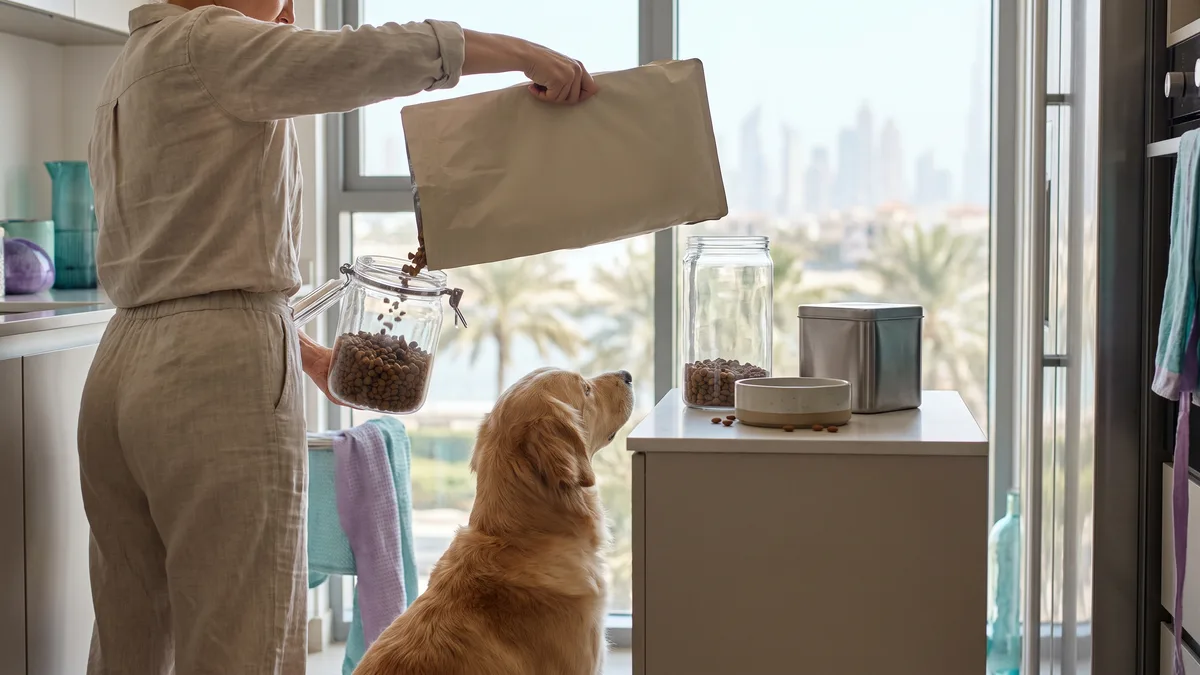
Heat and humidity make label-directed storage especially important. Keep unopened and dry food in a cool, dry place away from direct sun. Retain dry food in its original bag inside a clean sealed container so the lot code and best-before date remain available.
The FDA pet food storage guidance recommends promptly refrigerating or discarding unused and leftover wet or canned food and washing bowls and utensils after use. Follow the specific product label because safe times vary by formulation and conditions.
Practical steps for Dubai homes include:
- Do not store food in a balcony, vehicle, outdoor cupboard or hot utility area.
- Buy a bag size that can be used while it remains fresh after opening.
- Use dry hands and a clean scoop rather than putting the bowl into the bag.
- Wash and fully dry storage containers before refilling them.
- Discard food that smells rancid, looks moldy, has damaged packaging or contains insects.
- Keep fresh water available and clean bowls daily.
Reduced appetite, repeated vomiting, marked lethargy or signs of heat stress and dehydration need assessment. Do not assume summer alone explains a sick pet.
How to switch foods safely
Change food gradually when the pet is well, unless a veterinarian gives a different medical instruction. Follow the new food's label or your veterinarian's transition plan, and slow the change if mild stool problems occur.
Stop the transition and call a veterinarian for repeated vomiting, blood in stool, marked lethargy, facial swelling, breathing difficulty or refusal to eat. Cats that stop eating need prompt advice because prolonged poor intake can become serious.
Keep a simple record of the old food, new food, proportions, stool, appetite and any skin signs. That makes it easier to distinguish a true reaction from an unrelated illness.
Frequently asked questions
What is the best pet food brand in Dubai?
There is no single best brand for every dog or cat. Choose a complete diet for the correct species and life stage, then assess the manufacturer's expertise, quality controls, calorie information and your pet's health response.
Can dogs and cats eat the same food?
No, not as a long-term staple. Cats and dogs have different nutrient requirements. Use a complete food labeled for the correct species.
Is wet food better than dry food?
Neither format is automatically better. Nutritional adequacy, calories, medical needs, dental comfort, water intake, storage and the pet's preference all matter.
Should I add vitamins or fish oil?
Not automatically. A complete diet is designed to meet nutrient needs, and extra supplements can create imbalance or interact with disease and medicines. Ask a veterinarian about a defined goal, product and dose.
How do I know whether the portion is right?
Use the label as a starting point, measure the total daily intake and track weight and body condition. Ask for a veterinary adjustment if the pet gains or loses weight, loses muscle or remains hungry despite an appropriate plan.
About this guidance
This article is educational and does not replace an individual nutrition assessment. Bring photos of the full label and a list of all foods, treats and supplements when you book a nutrition-focused appointment with Paw Sisters.