
Pet Blood Test Dubai: CBC, Chemistry and Results
Sources and guidance checked
Medically reviewed by Dr. Hasan AlDahhak, DVM ·
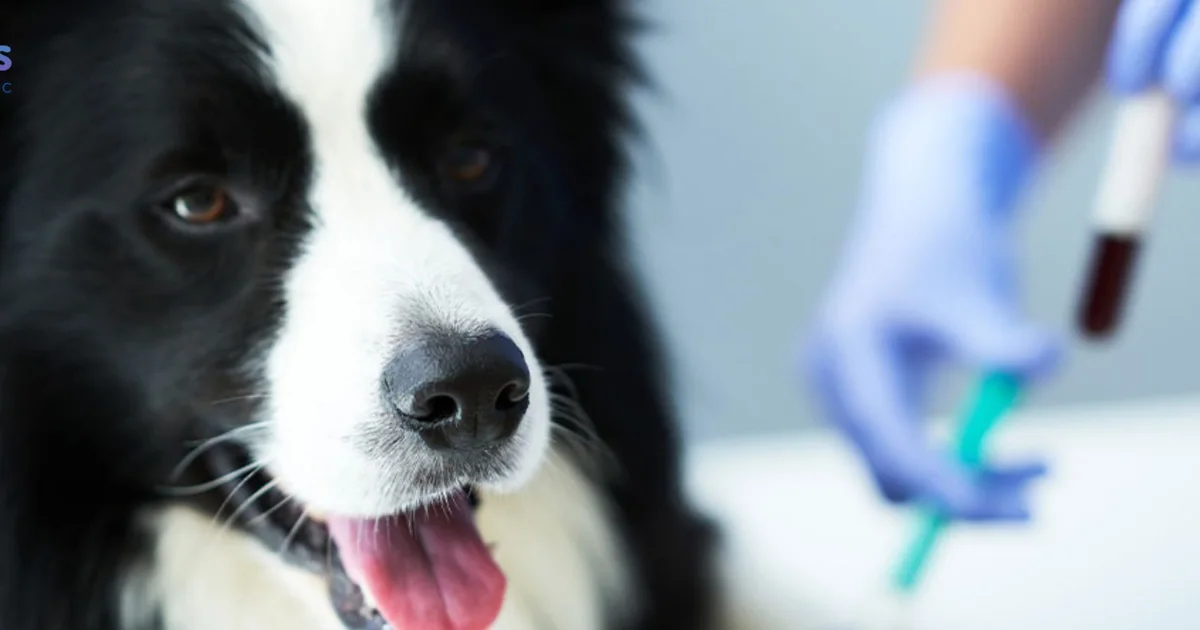
A pet blood test in Dubai can evaluate blood-cell patterns, organ and metabolic markers, or a specific health question, but no panel diagnoses everything. Results are interpreted with the pet's history, examination, medicines, hydration, sample quality, laboratory ranges, and other tests. Explore pet diagnostic services in Dubai when your veterinarian recommends an individual testing plan.
Key takeaways
- A complete blood count, or CBC, and a chemistry panel measure different things.
- One result outside a reference interval does not automatically mean disease, while normal values do not rule out every condition.
- Urinalysis, imaging, repeat bloodwork, or a specialist test may be needed to answer the clinical question.
- Ask the clinic whether your pet should fast. Do not stop medicine or insulin unless the treating veterinarian tells you to.
- Turnaround and cost depend on the exact tests, laboratory, sample, and whether confirmation is required.
- Collapse, breathing difficulty, pale or blue gums, active bleeding, seizure, or suspected toxin exposure requires urgent assessment, not a routine test booking.
What a CBC measures
A complete blood count examines red blood cells, white blood cells, and platelets. It can identify patterns consistent with anaemia, inflammation, infection, immune responses, or clotting concerns, but the pattern must be interpreted rather than matched to one diagnosis.
| CBC component | What it helps assess | Important limitation |
|---|---|---|
| Red blood cells | Anaemia, concentration, and cell characteristics | Hydration, blood loss, destruction, and production problems can change the pattern |
| White blood cells | Immune and inflammatory responses | High or low counts have several possible causes |
| Platelets | One part of clotting assessment | Clumping and sample handling can affect an automated count |
The Cornell Animal Health Diagnostic Center's haematology guide describes CBC components, specimen needs, and laboratory methods. Microscopic review or repeat sampling may be needed when the machine result and clinical picture do not agree.
What a chemistry panel measures

A chemistry panel measures substances in serum or plasma. Depending on the selected panel, these may include markers related to the liver, kidneys, glucose regulation, proteins, electrolytes, and other metabolic processes. It is not a full-body scan.
Cornell's clinical chemistry guidance notes that many markers are nonspecific and can be affected by patient and sample factors. A value may change because of dehydration, recent food, medicines, sample damage, or disease in more than one organ system.
| Test group | Possible question | Why context matters |
|---|---|---|
| Kidney-related markers | Is kidney filtration or hydration affecting results? | Urine concentration, blood pressure, trends, and imaging may be relevant |
| Liver-related markers | Is there cell injury, impaired function, or altered bile flow? | Different diseases can produce similar patterns |
| Glucose and electrolytes | Is there a metabolic or fluid-balance abnormality? | Stress, food, medicine, fluid therapy, and illness can affect values |
| Proteins | Is there a hydration, inflammatory, production, or loss pattern? | A single value rarely identifies the cause |
One raised glucose value, for example, does not by itself diagnose diabetes. Read about cat diabetes signs and testing to understand why compatible signs and additional testing matter.
Why urinalysis or imaging may be needed too
Bloodwork answers only part of many diagnostic questions. A veterinary examination establishes the physical and historical context, after which the veterinarian may recommend urinalysis, imaging, blood-pressure measurement, faecal testing, cytology, biopsy, culture, repeat sampling, or a disease-specific test.
Blood chemistry and urinalysis often complement each other when investigating kidney function. Our overview of cat kidney disease assessment explains why urine concentration, blood pressure, imaging, and trends may all contribute.
When a veterinarian recommends bloodwork
The reason and panel should match the individual pet. Common uses include investigating symptoms, monitoring a diagnosed condition or medicine, establishing an age-appropriate baseline, following a previous abnormality, and informing anaesthetic planning.
For senior dogs and cats, the AAHA senior-care diagnostic recommendations include CBC, chemistry, urinalysis, and selected tests at intervals based on species and life stage. This does not mean every healthy young pet needs the same panel on the same schedule.
Bloodwork may form part of a pre-surgical assessment. The AAHA pre-anaesthetic planning guidance says testing should be selected according to the patient, history, examination, procedure, and risk. It helps the team identify concerns and adapt or postpone a plan, but it cannot remove every anaesthetic risk.
How to prepare for a pet blood test in Dubai
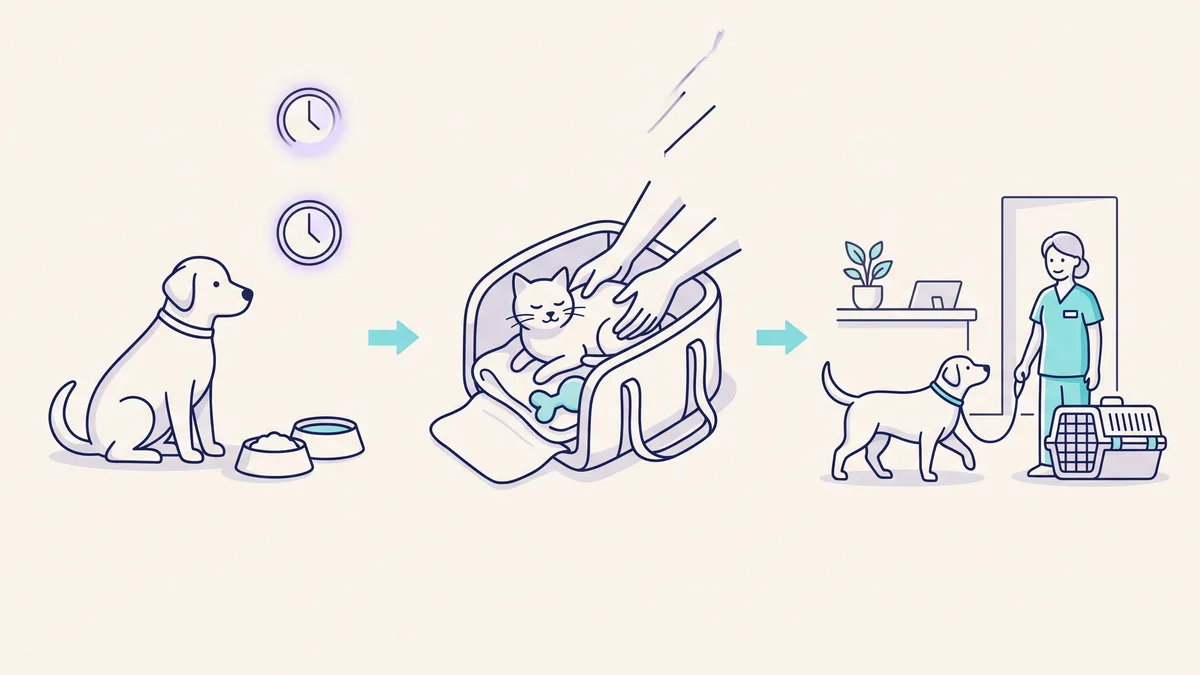
Ask the clinic for instructions that match the test and the pet. Fasting is not correct for every animal or every situation, especially a young, small, diabetic, medically unstable, or urgent patient.
- Ask whether food and water should be restricted, and for how long if advised.
- Continue prescribed medicine and insulin unless the treating veterinarian gives different instructions.
- Bring a complete medicine and supplement list with the timing of the last doses.
- Bring previous laboratory results, diagnoses, and relevant imaging.
- Note symptoms, appetite, thirst, urination, vomiting, diarrhoea, weight change, and possible toxin exposure.
- Tell the team if blood collection has been difficult or stressful before.
For testing related to repeated vomiting, note the frequency, appearance, food and water intake, possible foreign material, and any medicines already given.
What an abnormal blood result does and does not mean
A laboratory reference interval describes the expected range for most healthy members of a defined population using that method. Healthy animals can occasionally fall outside it, and ill animals can sometimes have results within range. Interpretation considers the size of the change, related values, symptoms, examination, prior trends, and sample quality.
Possible next steps include confirming that the sample was not clotted, diluted, or damaged, repeating a test, examining a blood smear, adding urine or imaging, ordering a specific confirmatory test, and comparing the result with the pet's previous baseline.
Do not change food, supplements, insulin, or prescribed medicine based only on a portal result. Ask the veterinarian what the finding means for this pet and what decision the next test is intended to support.
Turnaround time and cost questions to ask
Some tests may be performed in the clinic, while specialised or confirmatory testing may go to an external laboratory. Sample quality or an unexpected result can create a need for repeat or additional testing. Avoid relying on an assumed same-day promise.
| Ask the clinic | Why it matters |
|---|---|
| Which exact tests are included? | “Blood test” is not one uniform panel |
| Is collection included? | An itemised estimate prevents ambiguity |
| Is testing in-house or external? | The laboratory affects timing and reference ranges |
| When will a veterinarian interpret it? | Raw values need clinical explanation |
| Could confirmation add time or cost? | Unexpected findings may require another step |
When symptoms need emergency assessment
Do not wait for a routine blood-test appointment if a pet has severe weakness, collapse, difficult breathing, pale or blue gums, active bleeding, repeated vomiting with deterioration, inability to urinate, seizure, or suspected toxin exposure. Contact the nearest emergency veterinary service for triage and transport advice.
For a stable pet whose veterinarian has recommended testing, book a diagnostic assessment and bring the records and medicine list described above.
Frequently asked questions
What is the difference between a CBC and chemistry panel?
A CBC evaluates blood cells and platelets. Chemistry measures selected substances related to organs, metabolism, proteins, glucose, and electrolytes. They answer different questions and are often interpreted together.
Does my pet need to fast before a blood test?
Not always. Preparation depends on the test, species, age, condition, medicine, and urgency. Follow the clinic's instructions and do not withhold food, medicine, or insulin on your own.
Can a normal blood test prove my pet is healthy?
No. Normal results are useful but do not exclude every disease. A veterinarian combines them with history, examination, and other diagnostics when indicated.
How quickly will pet blood-test results be ready?
It depends on the tests and laboratory. Some results may be available quickly, while specialised, confirmatory, or external tests take longer. Ask when interpretation, not just the raw values, will be available.
Why might a veterinarian repeat an abnormal test?
Repeat testing can confirm a result, check for sample problems, compare a trend, or assess response to treatment. The reason should be explained in relation to the individual pet.
About this guidance
This article explains common veterinary laboratory concepts and cannot interpret an individual result or replace examination. It was reviewed against current diagnostic and anaesthesia guidance on 23 August 2026. Test selection, preparation, timing, pricing, and next steps must be confirmed with the treating clinic.